
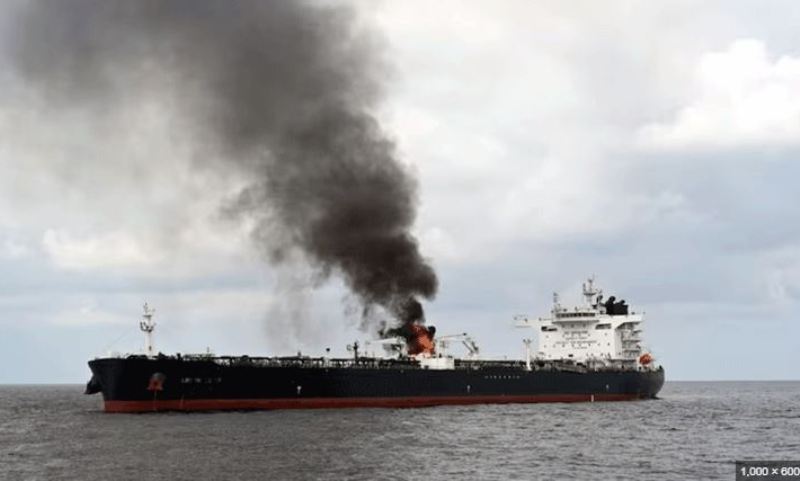
Shipping activity in the Strait of Hormuz has faced renewed disruption after more tanker incidents were reported and Iran’s Islamic Revolutionary Guard Corps (IRGC) ordered a vessel to turn back, according to reports.
The developments have increased concerns over the safety of commercial shipping through the strategic waterway, which connects the Persian Gulf with the Gulf of Oman and carries a significant share of global oil and gas shipments.
The latest incidents are expected to put additional pressure on shipowners and operators already dealing with heightened security risks in the region. Tanker operators may face higher insurance premiums, longer voyage times and increased operating costs as they assess whether to continue using the route.
The Strait of Hormuz is particularly important for energy markets, with crude oil, petroleum products and liquefied natural gas moving through the waterway to international markets. Any sustained disruption could affect tanker availability, freight rates and energy prices.
Shipping companies are closely monitoring developments and may consider alternative routing or operational measures depending on the security situation.
The latest incidents add to broader maritime security concerns in the Middle East, with shipowners and governments continuing to assess risks to commercial vessels and crews operating in and around the Gulf.
Further escalation could have wider implications for global energy and shipping markets, particularly if vessel movements through Hormuz are significantly restricted.