
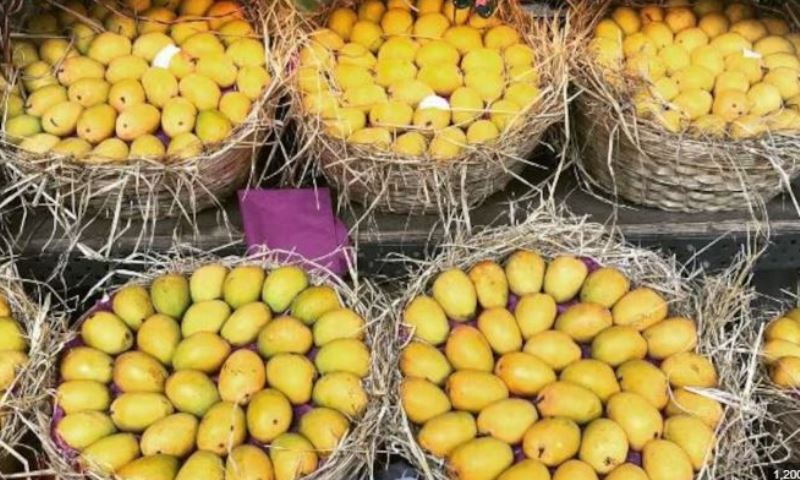
The Government of Nepal has introduced restrictions on mango imports from India, a move that could affect cross-border fruit trade during the peak mango season and create challenges for exporters supplying the neighboring market.
The new measures are aimed at strengthening regulatory oversight of imported agricultural produce and supporting domestic fruit growers. Nepalese authorities have reportedly tightened import requirements and increased scrutiny of incoming mango consignments, impacting the flow of shipments from India, one of Nepal’s primary sources of fresh fruits.
India is a major producer and exporter of mangoes, with varieties such as Alphonso, Kesar, Dasheri and Langra enjoying strong demand in regional markets, including Nepal. The country exports significant volumes of fresh mangoes each year to destinations across Asia, the Middle East and Europe.
Exporters and traders have expressed concerns that the restrictions could lead to delays at border points, higher compliance costs and reduced market access during a critical sales period. Industry stakeholders are closely monitoring the implementation of the measures and assessing their potential impact on trade volumes.
The development comes at a time when India is seeking to expand agricultural exports and strengthen market access for fresh produce. Nepal has traditionally been an important destination for Indian fruits and vegetables due to geographical proximity, established trade links and strong consumer demand.
Trade experts noted that any prolonged restrictions could encourage exporters to explore alternative markets while prompting discussions between authorities and industry representatives on facilitating smoother agricultural trade. Maintaining uninterrupted movement of perishable goods remains a priority for exporters given the time-sensitive nature of fresh fruit shipments.
Despite the latest restrictions, analysts expect trade between the two countries to continue, supported by long-standing economic ties and integrated supply chains. However, exporters may need to adapt to evolving regulatory requirements and ensure compliance with import standards to maintain access to the Nepalese market.
The situation is expected to remain under close watch by traders, exporters and policymakers as both countries work to balance domestic agricultural interests with the benefits of cross-border commerce.