
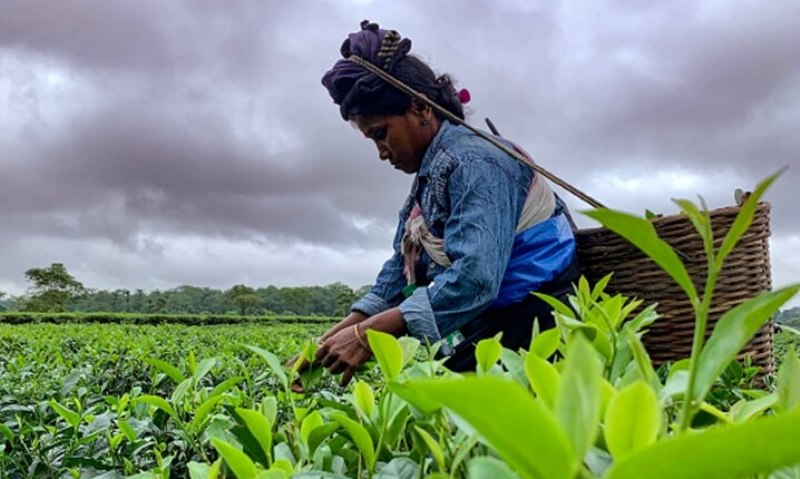
Eastern Nepal’s tea industry has been thrown into turmoil after India tightened export procedures for Nepali tea, forcing the closure of more than 80 tea factories and estates across the country’s key tea-producing districts of Jhapa and Ilam.
The shutdown, which began in Ilam on June 15 and extended to Jhapa last week, has disrupted operations at over 50 factories and estates in Ilam and more than 30 in Jhapa. Industry estimates suggest that around 60,000 workers and staff have been affected, with daily wage labourers bearing the brunt of the crisis.
At the heart of the disruption are new customs and quality inspection requirements imposed by Indian authorities on Nepali tea consignments. According to the Nepal Tea Producers’ Association, shipments are facing delays and additional testing procedures under a revised Standard Operating Procedure introduced by India’s tea regulatory authorities, making factory operations financially unsustainable.
The impact has been immediate and severe for thousands of workers who rely on tea estates as their primary source of income.
Workers across several estates reported losing their only means of livelihood during what is typically the busiest harvesting period of the year. Many households are struggling to meet basic needs, while some families have begun borrowing money, purchasing essentials on credit, or seeking employment elsewhere.
The crisis has also disrupted the crucial first-flush harvesting season. Tea bushes across eastern Nepal’s estates are currently covered with fresh shoots ready for plucking, but the suspension of operations has left large volumes of tea unharvested, raising concerns over crop losses and reduced production quality.
Industry stakeholders warn that the shutdown is affecting not only plantation workers but also transport operators, small traders, suppliers and local businesses that depend on the tea sector. Prolonged disruptions could lead to significant economic losses throughout the regional supply chain.
According to data from the Federation of Nepalese Chambers of Commerce and Industry (FNCCI), Koshi Province, Nepal produces approximately 27.4 million kilograms of tea annually from nearly 10,000 hectares of plantations. More than 25 million kilograms of that output is exported to India, making the neighbouring country Nepal’s dominant tea export market.
Industry representatives have expressed concern that growing inventory backlogs, blocked cash flow and the inability to move finished products across the border could cause long-term damage to the sector if the situation is not resolved quickly.
Tea producers and workers’ groups are urging the Nepal government to engage diplomatically with India to address the export bottleneck while also introducing emergency relief measures for affected workers and their families.
With the peak harvest season underway and thousands of livelihoods at stake, stakeholders warn that a prolonged standoff could have far-reaching consequences for Nepal’s tea industry and the rural communities that depend on it.