
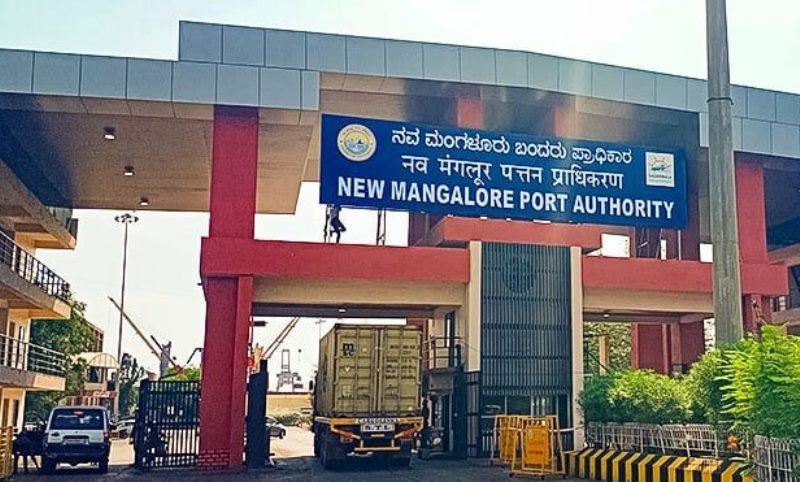
The New Mangalore Port Authority (NMPA) convened a stakeholder meeting with shipping agencies and terminal operators to deliberate on the implementation of Chapter VIII of the Indian Ports Act, 2025, with a strong focus on the prevention, containment, and response to marine pollution.
The discussions centred on key regulatory provisions, including Section 40 of the Act, which mandates the delivery of vessel-generated waste to Port Reception Facilities (PRFs) prior to sailing. Stakeholders also reviewed the Tar Ball Management Rules, 2025, and compliance requirements under MARPOL 73/78 Annexes I to VI, which govern the prevention of pollution from ships.
In addition, DG Shipping circulars related to Port Reception Facilities and ship-generated waste management were discussed in detail, highlighting the responsibilities of ports, terminals, and vessel operators in ensuring environmental compliance.
During the meeting, stakeholders were encouraged to actively utilise the Port Reception Facilities available at NMPA and to adhere strictly to statutory and international regulations. The port authority emphasised that effective collaboration between all maritime stakeholders is critical to maintaining clean seas, safe port operations, and environmentally sustainable maritime trade.
NMPA reaffirmed its commitment to strengthening marine environmental protection measures and fostering a culture of compliance and shared responsibility across the port ecosystem.