
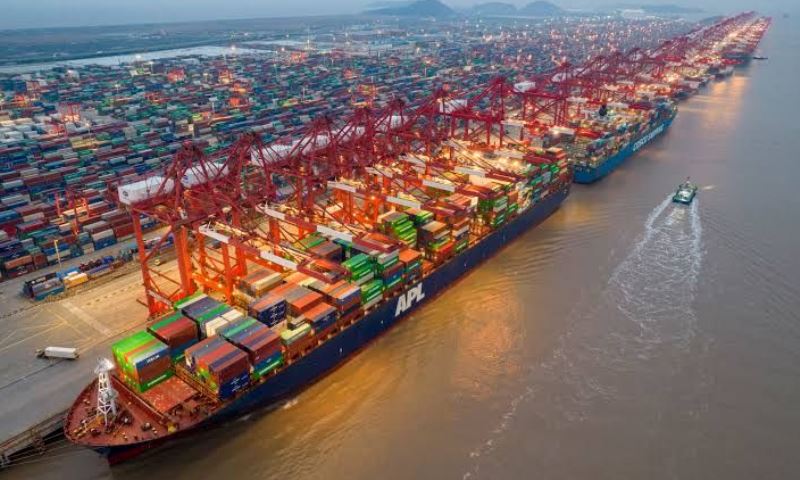
The Port of Osaka recorded its first decline in cargo volumes in five months, ending a sustained period of growth as trade activity moderated and shipment flows softened across certain cargo segments.
According to the latest port statistics, overall cargo throughput at Osaka slipped compared with the previous month, reflecting weaker performance in selected import and export categories. The decline follows four consecutive months of expansion during which the port benefited from recovering trade demand and steady container traffic.
Industry observers attributed the slowdown to a combination of factors, including softer regional trade activity, fluctuations in manufacturing output and changing inventory levels among importers and exporters. Global economic uncertainties and evolving supply chain dynamics also continue to influence cargo movements across major Asian ports.
Despite the monthly decline, port officials noted that cargo volumes remain at healthy levels compared with historical averages, supported by strong connectivity and the port’s strategic role in Japan’s trade network. Containerized cargo continues to account for a significant share of throughput, alongside bulk and general cargo shipments.
The Port of Osaka serves as a major gateway for industrial goods, consumer products, machinery, chemicals and other commodities moving between Japan and international markets. Its extensive shipping links across Asia and beyond make it an important component of regional supply chains.
Shipping and logistics companies operating through Osaka are closely monitoring demand trends, particularly as exporters navigate changing market conditions and shifting global trade patterns. While some cargo categories experienced slower growth, others remained resilient, helping to limit the overall decline in throughput.
Analysts said the volume dip does not necessarily indicate a broader downturn, pointing out that monthly fluctuations are common in port operations. Future performance will depend on factors such as export demand, manufacturing activity, consumer spending and the strength of regional trade flows.
The Port of Osaka continues to invest in infrastructure modernization, digitalization and operational efficiency initiatives aimed at enhancing service quality and supporting long-term cargo growth. Port authorities remain optimistic that improving economic conditions and stable trade demand will help sustain throughput levels in the months ahead.
As one of Japan’s key maritime gateways, Osaka is expected to remain an important hub for international commerce, supporting cargo movement and supply chain connectivity across the Asia-Pacific region.