
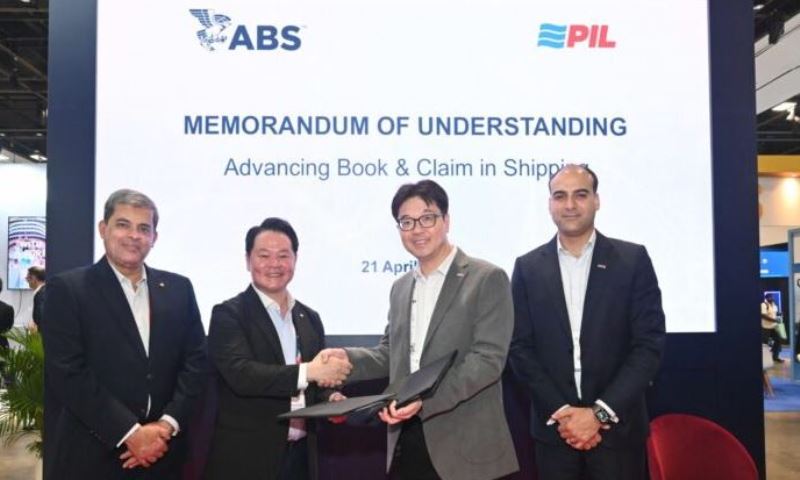
Pacific International Lines (PIL) and ABS have signed a memorandum of understanding to strengthen support for maritime emissions verification, underscoring the shipping industry’s growing focus on decarbonization and regulatory compliance. The partnership aims to help improve transparency, data accuracy, and readiness for evolving environmental standards.
Under the agreement, the two parties are expected to collaborate on emissions monitoring, reporting, and verification processes for PIL’s fleet. The initiative could support compliance with international carbon regulations while helping optimize vessel performance and fuel efficiency.
Industry observers said accurate emissions verification is becoming increasingly important as shipping lines face stricter requirements linked to carbon intensity, fuel usage, and sustainability disclosures. Partnerships between carriers and classification societies are seen as key to navigating complex reporting frameworks.
Analysts noted that the MoU positions PIL to strengthen its environmental strategy while leveraging ABS expertise in technical assurance and regulatory guidance. The collaboration also reflects broader industry momentum toward cleaner and more accountable shipping operations.