
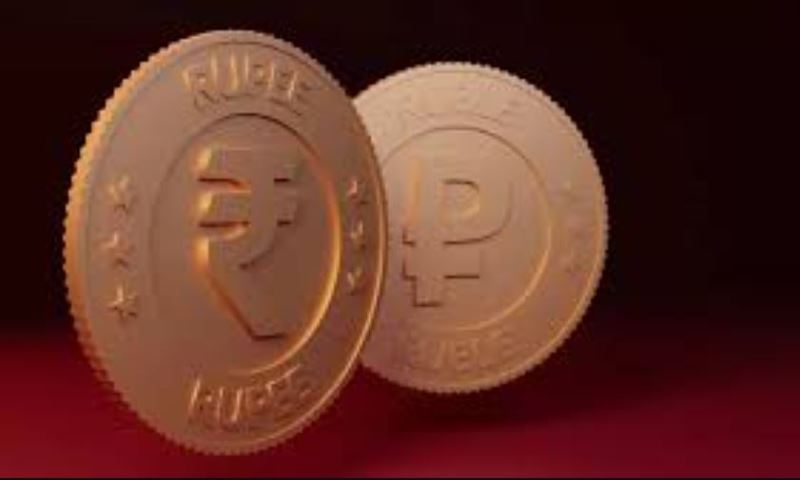
Russia is exploring opportunities to invest a portion of its accumulated rupee surplus in India’s high-growth sectors, including port infrastructure, biotechnology, and Special Economic Zones (SEZs), as both countries seek to deepen economic cooperation under the Rupee-Rouble trade framework.
According to officials familiar with the discussions, Moscow is evaluating avenues to deploy rupee funds generated through expanding bilateral trade, particularly following the sharp rise in Russian exports to India in recent years. The move is aimed at generating long-term returns while making productive use of rupee balances that cannot be freely converted into other currencies.
Russia has identified India’s rapidly expanding port sector as one of the most attractive investment destinations. The country’s ongoing Sagarmala programme, which encompasses hundreds of port modernization and connectivity projects, is viewed as a significant opportunity for strategic investment. Russian experts believe participation in port infrastructure could provide stable returns while strengthening trade links between the two nations.
Biotechnology has also emerged as a priority area. Russian officials see strong potential in India’s pharmaceutical manufacturing sector and agricultural biotechnology initiatives. Investments in healthcare innovation, advanced medicines, and technologies aimed at improving agricultural productivity and water efficiency are under consideration.
In addition, Russia is studying investment opportunities in India’s SEZs, which offer export-oriented growth prospects and industrial development opportunities. These investments could further support bilateral trade expansion and industrial collaboration.
The discussions come amid strengthening India-Russia economic ties. Russian President Vladimir Putin recently expressed confidence that bilateral trade could reach $100 billion in the coming years, driven by growing cooperation in energy, infrastructure, investments and other strategic sectors.
The proposed investments are expected to help address the longstanding challenge of managing Russia’s rupee holdings while channeling capital into sectors that align with India’s infrastructure and industrial growth ambitions.