
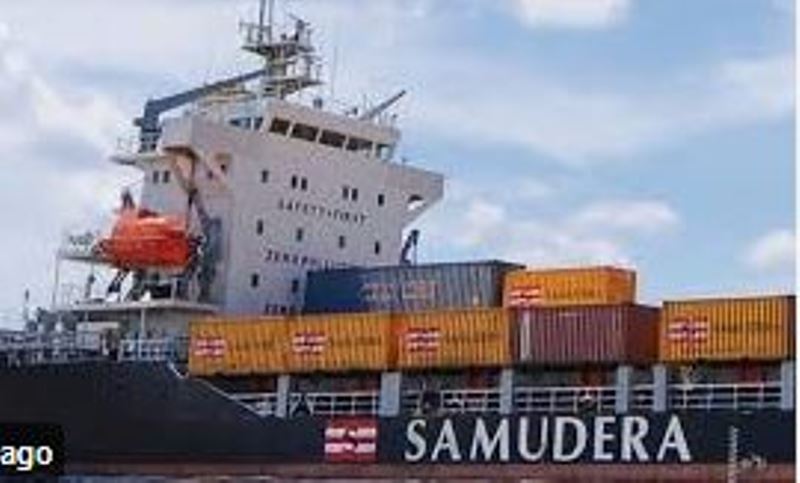
Singapore-based Samudera Shipping and Japan’s Imoto Corporation have formed a strategic joint venture aimed at strengthening feeder shipping services in Japan’s coastal and regional markets following recent global alliance realignments.
The new company, named Blue Ocean Shipping Co., Ltd, will be headquartered in Kobe, Japan and is expected to commence operations in the first half of 2026. Samudera Japan, a subsidiary of Samudera Shipping Line Ltd, will hold a 51 % stake, while Imoto Corporation — part of the established Imoto Lines Group — will own 49 %.
Blue Ocean Shipping will begin operations with the acquisition of two container vessels sourced from Imoto Lines Group as its initial fleet. Over time, the partners plan to expand the fleet prudently to capture growing opportunities in Japan’s feeder and regional services.
The joint venture comes as global liner alliances undertake network revamps — reshaping demand patterns for feeder and regional services in key markets including Japan. The partnership leverages Samudera’s regional shipping experience and Imoto’s long-standing expertise in Japan’s coastal container trades, positioning the new company to better serve local demand and integrate with wider Asia-Pacific logistics flows.
Industry observers note that such feeder JV initiatives reflect a broader trend of carriers and regional players adapting strategically to post-alliance network realignments and seeking to reinforce local operating capabilities.