
The cost of conducting business in Bangladesh is rising dramatically due to rising logistics expenses, which is discouraging both domestic and foreign businesses. In order to improve financial planning, stakeholders are requesting that the government lay out predictable spending for each sector.
According to company executives, investors find it challenging to make precise cost estimates due to the unpredictability of logistical costs. They are demanding that the National Logistics Policy 2024 be implemented effectively, which includes creating a specific authority to locate and remove operational bottlenecks.
Bangladesh is ranked 88th out of 139 nations in the World Bank’s Logistics Performance Index 2023, underscoring the ongoing difficulties in this crucial industry. Among these difficulties, issues pertaining to customs are noted as a major barrier to effective logistics operations.
According to experts, mapping logistics expenses by sector may assist reduce inefficiencies and corruption in service delivery. Bangladesh’s high logistics costs, which currently account for between 24 and 40 percent of sales, stand in sharp contrast to those of its neighbours, where logistics costs are less than 10 percent. According to a 2019 World Bank study, logistical expenses in Bangladesh vary widely, accounting for 4.5% of leather footwear sales. Interestingly, a significant amount of these expenditures are related to moving inventory, with road transport accounting for the majority of logistical activities.
With the RMG industry a key part of Bangladesh’s economy, controlling costs in logistics will ultimately lead to controlling costing issues with RMG companies whose products are often exported. With logistics costs under control, RMG companies will be better able to maintain quality standards for global customers.
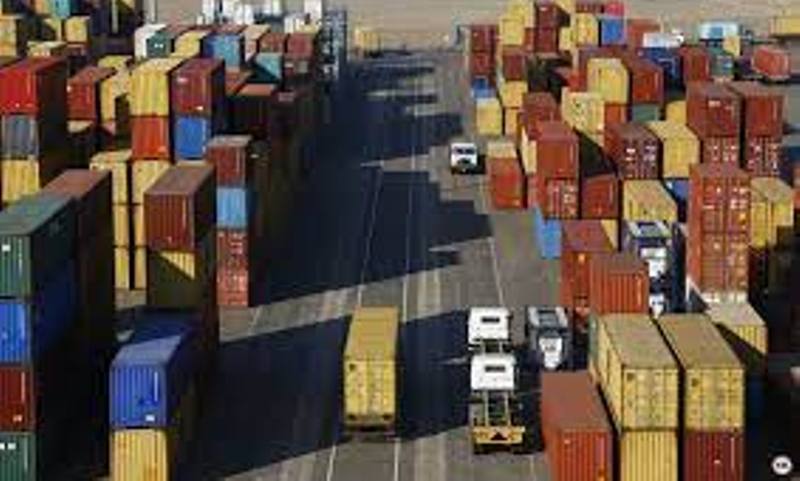
With average wait periods of 4 days for export containers and 11 days for imports, the situation at Chittagong Port makes matters worse. Lowering these wait times may result in considerable savings on logistics expenses.
Simplifying logistics operations and implementing the National Logistics Policy 2024 successfully are crucial for drawing in foreign investment, increasing exports, and fostering the nation’s sustained economic growth, according to business leaders and policymakers.