
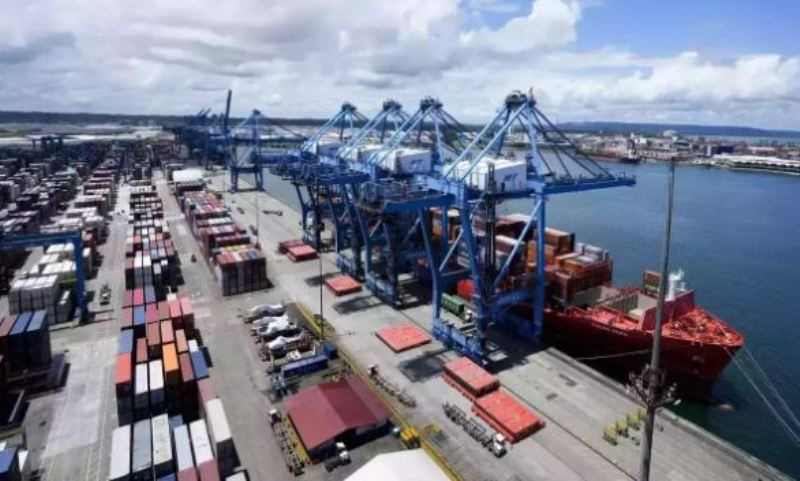
V.O. Chidambaranar Port has allocated 90,000 square metres of additional yard space to handle rising container congestion as cargo volumes build up at several ports along India’s western coast.
Port authorities said the extra space has been opened to accommodate containers being diverted or delayed due to operational bottlenecks and scheduling disruptions at major western gateways. The move is aimed at ensuring smoother cargo handling and preventing excessive dwell time for containers awaiting shipment.
Industry sources noted that congestion at key ports in Gujarat and Maharashtra has led shipping lines and logistics operators to look for alternative handling options. Tuticorin, located on India’s southeast coast, has emerged as a strategic relief point due to its available capacity and connectivity to southern industrial regions.
The additional yard area will be used for temporary container storage, helping the port manage higher volumes while maintaining operational efficiency. Officials said the expansion will support exporters and importers who are facing delays in cargo movement due to congestion elsewhere.
Logistics stakeholders believe the step could ease pressure on supply chains by distributing cargo more evenly across ports. With trade flows remaining strong and shipping schedules disrupted in some regions, southern ports are increasingly playing a larger role in absorbing overflow cargo.
Port authorities indicated that further operational adjustments may be considered if container volumes continue to rise, ensuring that the port remains capable of handling increased traffic without significant delays.