
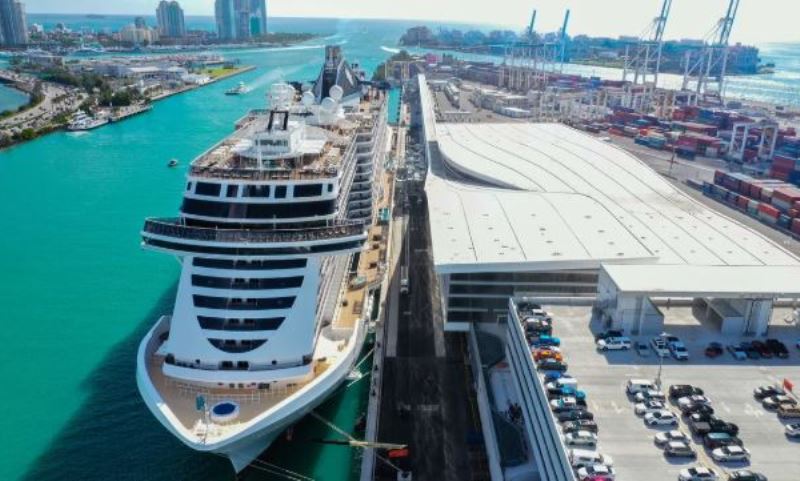
Barcelona is set to reduce the number of port terminals for cruise ships in the city’s latest attempt to limit the number of tourist visits, as per media report.
Spain’s third-largest port will cut the number of terminals used by cruises to five from seven, with the aim of making the arrival of the ships “more controlled and sustainable,” Barcelona’s city council said in a statement.
“For the first time ever, limits are being placed on cruise growth in the city,” Barcelona Mayor Jaume Collboni said in the statement. Barcelona recorded a 21 per cent increase in cruise ship calls and a 20 per cent rise in passengers to 1.2 million people in January-May this year from the same period in 2024, as per official data. That was a sharp acceleration following a 20 per cent increase in passenger numbers from 2018 to 2024.
There have been protests against tourism and debates about overcrowding in the Spanish city.
The left-wing mayor told Reuters last year he was seeking a new deal with port authorities to reduce the number of one-day cruise calls, in an effort to avoid overcrowding at cultural landmarks such as the Sagrada Familia basilica.
Under the new plan, three terminals will be combined into one. The port will prioritise cruise ships that use Barcelona as their home port for departures and arrivals and encourage tourists to stay longer and spend more in the city.
The port said the refurbishment would facilitate connecting ships to the local electricity grid, reducing emissions.
European Union regulations require maritime ports to have onshore power supply infrastructure in place by 2030 to cut carbon emissions. However, a recent study found that most ports across Europe are falling behind in meeting this target.