
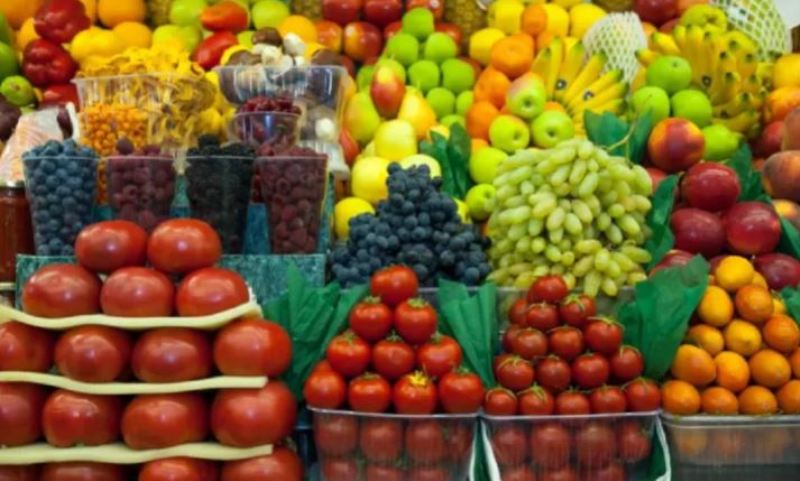
With the signing of the India-UK Comprehensive Economic and Trade Agreement (CETA), Indian exports of fresh produce and bakery goods are set to gain a competitive edge in the UK market. The agreement, which grants duty-free access to several food products, is expected to bolster India’s position against key global exporters.
Fresh grapes from India will now directly compete with exports from Brazil, Egypt, and South Africa, while Indian bakery items are likely to become more cost-competitive than those from the US, China, Thailand, and Vietnam. Similarly, the export of preserved vegetables, fruits, and nuts could see an uptick, giving India an advantage over Turkey, Pakistan, South Africa, and China.
For fresh or chilled vegetables and sauces, Indian exporters are expected to gain better market positioning in comparison to counterparts from the US, Brazil, Thailand, China, Japan, and Malaysia.
Several states stand to benefit from the agreement: Maharashtra for grapes and onions; Gujarat for groundnut and cotton; Punjab and Haryana for basmati rice; Kerala for spices; and the North-Eastern states for horticultural produce.
Provisions related to Technical Barriers to Trade (TBT) are expected to streamline export certification processes by reducing time and cost, further opening avenues for niche products like jackfruit, millets, and organic herbs. These could provide significant income opportunities for farmers navigating volatile markets.
Importantly, India has withheld tariff concessions on dairy products, apples, oats, and edible oils to safeguard the interests of domestic producers.