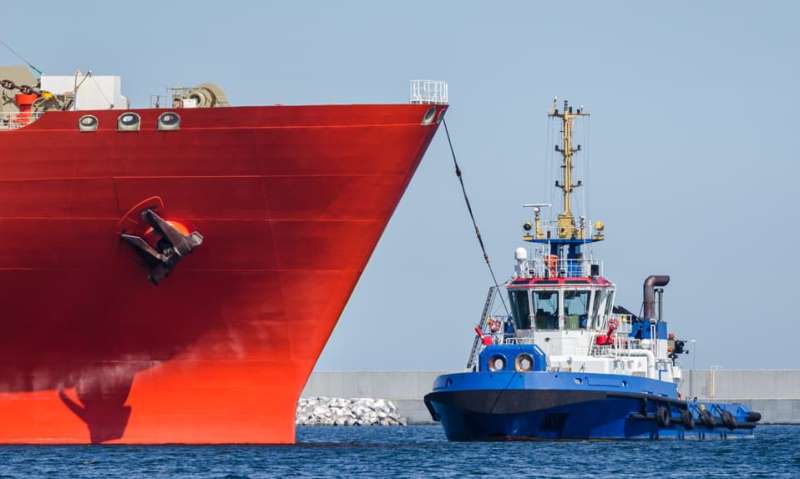
Polestar Maritime Ltd has emerged as the lowest bidder for chartering two battery-electric green tugs of 60-ton bollard pull capacity to the Jawaharlal Nehru Port Authority (JNPA) at a daily rate of ₹5,89,500 each for a 15-year charter period, according to sources.
This marks the fourth green tug tender to be finalised by a state-owned major port, following similar contracts awarded by Deendayal Port Authority, New Mangalore Port Authority, and VOC Port Authority.
JNPA, which operates India’s largest state-owned container port at Nhava Sheva near Mumbai, is expected to issue a Letter of Intent (LoI) to Polestar Maritime shortly. The company is likely to build the tugs at Cochin Shipyard Ltd.
Polestar’s winning quote is the lowest among all green tug tenders finalised so far. Earlier, Netincon Marketing Pvt Ltd, part of the Kolkata-based Ripley Group, secured the Deendayal Port contract with a day rate of ₹6,30,000, while Underwater Services Company Ltd won the New Mangalore Port Authority tender at ₹6,25,444 per day. Knowledge Marine and Engineering Works Ltd bagged the VOC Port Authority contract at ₹5,96,695 a day.
The steady decline in day rates across successive tenders signals growing competition and maturity in India’s emerging green tug market.
Harbour tugs—critical for operations such as berthing, unberthing, and ship assistance—are considered ideal candidates for adopting green technologies like electric propulsion and alternative fuels. These solutions can substantially reduce emissions while maintaining high operational efficiency.
The Ministry of Ports, Shipping and Waterways launched the Green Tug Transition Programme (GTTP) in 2024 to drive India’s shift from conventional fuel-based harbour tugs to greener alternatives. The initiative outlines a phased transition plan for all major ports, with initial deployments featuring battery-electric tugs and provisions for hybrid, methanol, and green hydrogen technologies as they mature.
Under the GTTP, India aims to ensure that by 2040, all harbour tugs operating at major ports are powered by green technologies—marking a significant milestone in the nation’s maritime decarbonisation journey.
