
Iran has said it is still reviewing a United States proposal aimed at ending the ongoing conflict, amid growing reports that Washington and Tehran may be moving closer to a preliminary agreement.
According to a report by Axios, the White House believes a 14-point memorandum of understanding could provide the framework for future negotiations between the two countries. The proposed document reportedly includes provisions such as suspending Iran’s uranium enrichment activities, easing US sanctions, and restoring free navigation through the Strait of Hormuz.
The report, citing unnamed US officials and sources familiar with the discussions, said many of the proposed measures would only take effect after a final agreement is reached.
Iranian officials, however, reacted cautiously. Foreign ministry spokesperson Ismail Baghaei said Tehran was still reviewing the proposal and would communicate its response through Pakistani mediators. Pakistan has been playing a diplomatic role in facilitating indirect contacts between the two sides.
Pakistan’s foreign minister stated that Islamabad was working to transform the current ceasefire into a “permanent end to this war”.
At the same time, senior Iranian lawmaker Ebrahim Rezaei dismissed the reported proposal as a US “wish list”, warning that Iran remained prepared for military escalation if negotiations failed.
“The Americans will not gain anything in a war they are losing that they have not gained in face-to-face negotiations,” Rezaei wrote on social media, adding that Iran was “ready” to respond if Washington did not make concessions.
US President Donald Trump struck a more optimistic tone, saying Washington had held “very good talks with Iran in the last 24 hours” and that a deal remained possible.
“They want to make a deal,” Trump said, while also reiterating his warning that military operations could resume if negotiations collapsed.
Trump further claimed Iran had agreed not to pursue nuclear weapons, though Tehran has not publicly confirmed such an understanding. Iran’s nuclear programme continues to remain one of the most contentious issues in negotiations.
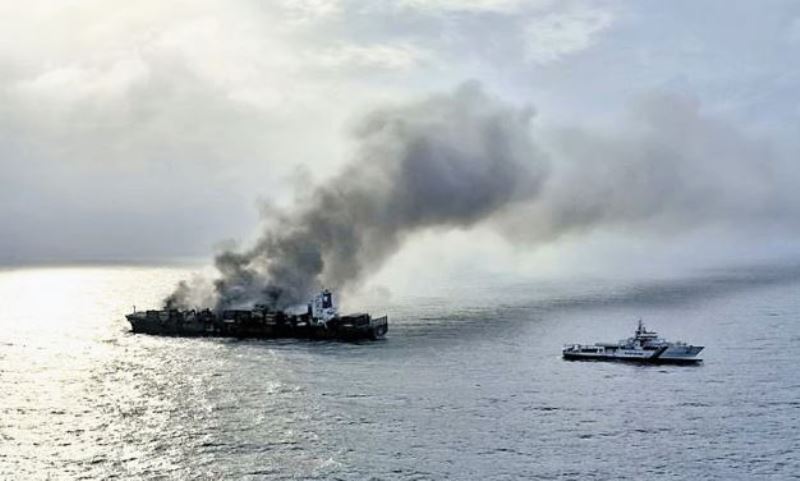
The diplomatic efforts come amid heightened tensions in the Gulf region. Iran has effectively blockaded the Strait of Hormuz since the US and Israel launched attacks against Iranian targets in late February, severely disrupting global oil and LNG shipments through one of the world’s busiest maritime chokepoints.
In early April, the US and Iran announced a ceasefire under which Iran halted missile and drone attacks against Gulf nations, including the UAE. However, commercial shipping through Hormuz has remained limited.
The US recently paused “Project Freedom”, an operation launched to escort stranded commercial vessels through the Gulf. Trump said the operation could fully conclude if Iran accepts the proposed agreement.
Iran’s Islamic Revolutionary Guard Corps (IRGC) also hinted that the strait could reopen if what it described as “aggressors’ threats” ended.
Meanwhile, tensions continue elsewhere in the region. Israeli Prime Minister Benjamin Netanyahu said there was “full coordination” between Israel and the US regarding Iran, emphasizing that dismantling Iran’s enrichment capability remained a core objective.
The developments also coincide with renewed Israeli strikes in Lebanon, including attacks on Beirut targeting Hezbollah commanders. Hezbollah, backed by Iran, has continued cross-border attacks against Israeli positions despite an earlier ceasefire agreement.
While diplomatic channels appear active, analysts say significant disagreements remain over sanctions relief, nuclear restrictions, and regional security arrangements, leaving the path to a final agreement uncertain.