
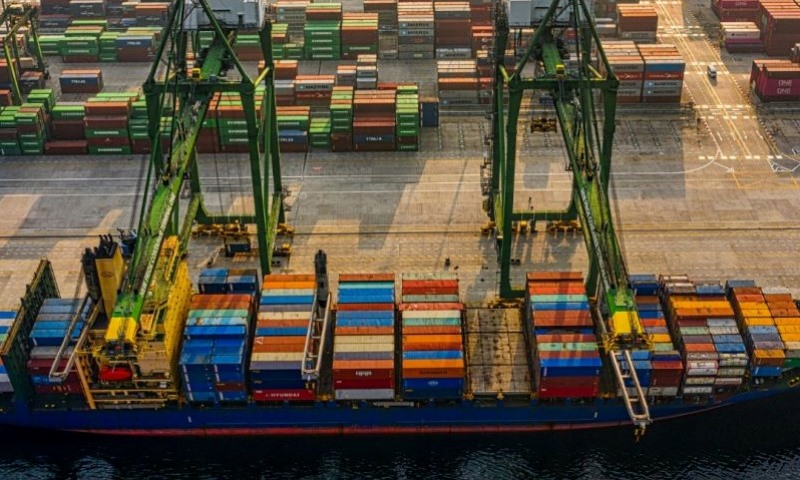
India has affirmed that cargo movement remains largely unaffected despite rising tensions around the Strait of Hormuz, even as authorities and industry stakeholders actively explore alternative routes to mitigate potential disruptions.
Government officials stated that shipments of crude oil, LNG, and other critical commodities are continuing, with contingency measures in place to ensure supply chain stability. The reassurance comes amid heightened geopolitical risks in West Asia that have raised concerns over the security of one of the world’s most vital maritime corridors.
To reduce dependence on the Hormuz chokepoint, India is assessing multiple strategies, including diversifying sourcing locations, increasing shipments via alternative ports, and leveraging longer but safer maritime routes. Some cargo flows are being redirected through corridors such as the Red Sea and via transshipment hubs outside high-risk zones.
Shipping lines and energy companies are also adjusting their logistics plans by opting for additional insurance coverage, rerouting vessels, and building buffer inventories. These measures, while ensuring continuity, are contributing to higher freight costs and longer transit times.
Industry experts note that while complete avoidance of the Strait of Hormuz is difficult given its strategic importance, incremental shifts in routing and sourcing can help reduce exposure to disruptions. India’s refiners have already been diversifying crude imports, sourcing from regions including the US, Africa, and Latin America.
Officials added that close coordination is underway between ministries, port authorities, and shipping stakeholders to monitor developments and respond swiftly to any escalation. The government is also evaluating long-term strategies to enhance energy security and supply chain resilience.
As tensions persist, India’s approach reflects a balance between maintaining uninterrupted cargo flows and preparing for potential volatility in global shipping routes.