
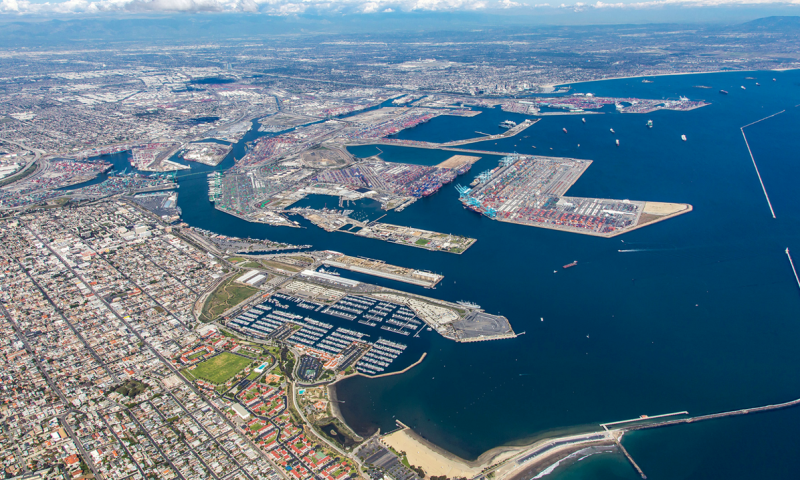
The Port of Los Angeles reported robust throughput in October 2025, handling 848,431 TEUs despite ongoing trade fluctuations and uncertainties that have marked this year’s shipping landscape.
Cumulative figures for the first 10 months revealed the port managed 8,655,489 TEUs, amounting to a 2 per cent increase in year-to-date cargo volumes compared to the previous year.
Executive Director Gene Seroka, addressing the media during the monthly briefing, pointed to the possibility of achieving a significant milestone by December: “With six weeks to go, we are within reach of the 10 million container unit mark for the year.”
“If we reach that milestone, it would be the third time in our history and something no other Western Hemisphere port has achieved even once. That kind of performance is powered by the skill and dedication of our waterfront workforce, along with the terminal operators who keep this port running safely and efficiently every day.”
Seroka further explained that volumes in November and December are expected to slide, noting that last year’s elevated figures were the result of shippers frontloading goods to avoid tariffs.
Currently, both retail and factory inventories are relatively high, lessening the need for new imports in the short term.
During the session, California Chamber of Commerce President and CEO Jennifer Barrera also participated, contributing her insights on tariffs, the wider business climate, and ongoing regulatory reforms, underscoring the port’s role at the intersection of international trade policy and economic resilience.
A detailed breakdown of October’s performance shows loaded imports amounted to 429,283 TEUs — a 7 per cent dip versus October 2024 — while loaded exports clocked in at 123,768 TEUs, reflecting a modest year-on-year rise of 1 per cent.
Shipments of empty containers totalled 295,380 TEUs for the month, signifying an 8 per cent reduction from the previous year.
As 2025 draws to a close, attention now turns to whether Los Angeles can once again surpass the elusive 10 million TEU threshold, solidifying its standing as a global leader among container gateways.