
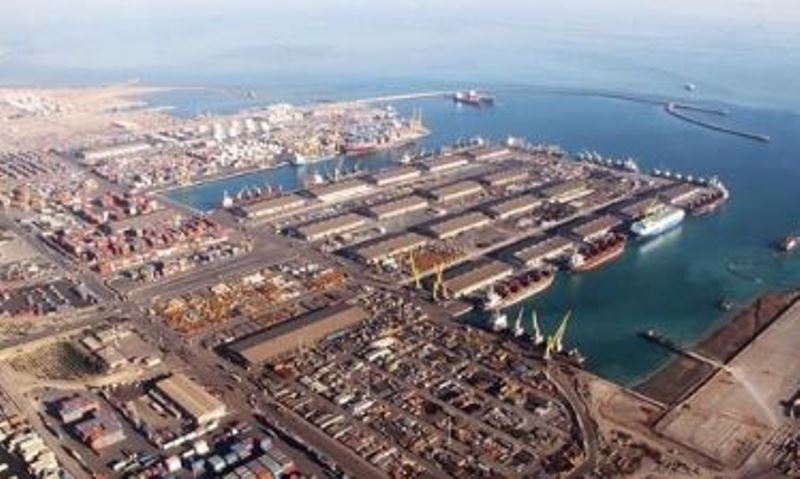
Iran has completed a significant expansion of the Shahid Rajaee Port terminal in Bandar Abbas, bolstering its container handling infrastructure with new cranes and enlarged container yards as part of broader efforts to strengthen the country’s maritime logistics capacity.
The upgraded terminal includes additional gantry cranes and expanded yard space designed to boost throughput and improve cargo operations for both imports and exports. Shahid Rajaee Port is Iran’s largest and most important maritime gateway, handling a vast majority of the nation’s container traffic and serving as a critical hub for trade across the Middle East and beyond.
Officials say the enhancements will help accommodate larger vessels, reduce handling times, and support growing demand in key sectors like industrial goods, consumer products, and regional transit cargo. The expansion aligns with ongoing development phases aimed at increasing annual container capacity and strengthening the port’s role in regional supply chains.
By improving terminal infrastructure, including state-of-the-art handling equipment and expanded yards, Shahid Rajaee Port is positioning itself to better support economic activity and international trade flows, while enhancing connectivity within Iran’s broader transport network.