
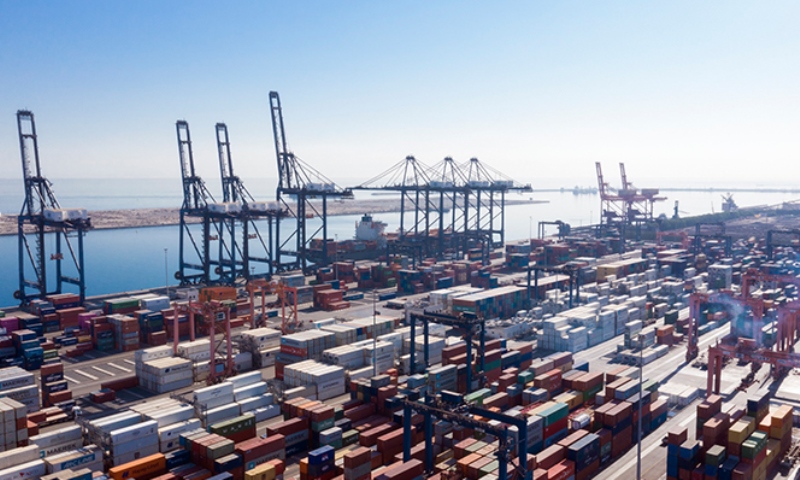
SOHAR Port and Freezone in Oman handled 52 million metric tonnes of cargo during the first half of 2026, marking a 52% increase compared with the same period last year. The strong performance reflects rising maritime activity and growing demand for the port’s logistics and transshipment services.
Ship-to-ship cargo handling reached 24.38 million tonnes during the six-month period, highlighting SOHAR’s growing role in regional maritime services. Container throughput also increased by 40% to 545,000 TEUs, driven primarily by higher transshipment activity.
Breakbulk cargo recorded particularly strong growth, nearly doubling to 1.24 million tonnes. Although dry-bulk volumes declined during the period, SOHAR Port handled 1,555 vessel calls, demonstrating continued operational activity across its diversified cargo base.
The port’s performance comes as shipping and trade patterns across the Gulf continue to evolve. Its location outside the Strait of Hormuz and integrated port-freezone model have strengthened its appeal as a logistics and industrial gateway serving regional and international markets.
Investment activity has also remained strong. Existing and expansion projects across SOHAR Port and Freezone represented a combined investment value of around RO 2.62 billion ($6.82 billion) during the reporting period. These projects are aimed at expanding infrastructure, increasing industrial capacity and improving the competitiveness of the logistics ecosystem.
SOHAR Freezone signed five new investment contracts worth RO 226.47 million ($589 million) during the first half of the year. Meanwhile, leased warehouse space reached approximately 37,000 square metres, up 19% year on year, indicating continued demand for logistics and industrial facilities within the freezone.
The latest results reinforce SOHAR’s position as an important industrial and logistics hub in Oman. Continued growth in transshipment, container and breakbulk activity, together with new industrial investment, is expected to support the port’s role in strengthening regional supply chains and advancing Oman’s broader economic diversification goals.