
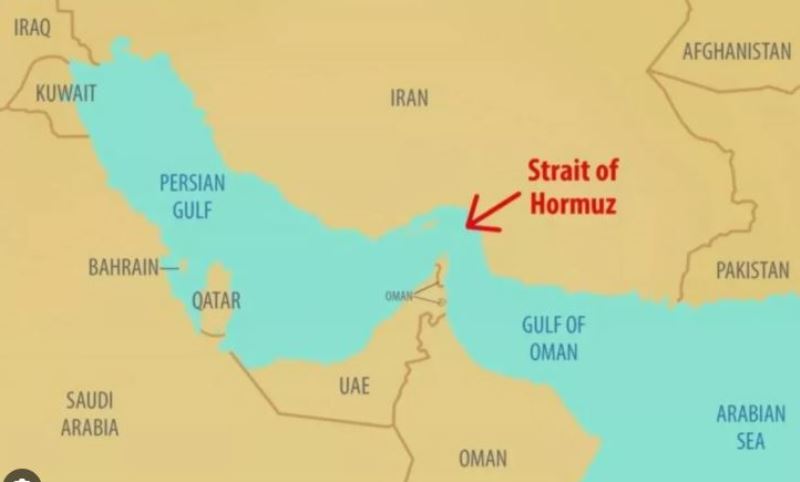
Iran has expressed willingness to work with the International Maritime Organization (IMO) to enhance maritime safety in the Gulf, even as it maintains restrictions on passage through the strategic Strait of Hormuz for vessels linked to what it terms “enemy” nations.
Iranian officials said the country is open to coordination with international bodies to ensure safer navigation in the conflict-hit region, signalling a limited diplomatic outreach amid escalating tensions.
However, Tehran has made it clear that the Strait of Hormuz—one of the world’s most critical energy transit routes—will remain inaccessible to ships associated with adversarial countries, even as other vessels may be allowed passage under certain conditions.
The partial restrictions come amid heightened geopolitical tensions involving Iran, the United States, and its allies, which have severely disrupted maritime traffic through the corridor. The strait typically handles a significant share of global oil and liquefied natural gas shipments, making any disruption a major concern for energy markets.
Shipping activity in the region has declined sharply, with many operators avoiding the route due to security risks, rising insurance premiums, and uncertainty over safe passage. Industry experts warn that prolonged instability could further strain global supply chains and push up energy prices.
Iran’s dual stance—offering cooperation on safety while enforcing selective restrictions—highlights the complex balance between diplomatic engagement and strategic leverage in the ongoing conflict.
As tensions persist, the situation in the Strait of Hormuz remains fluid, with global trade and energy markets closely monitoring developments in the region.