
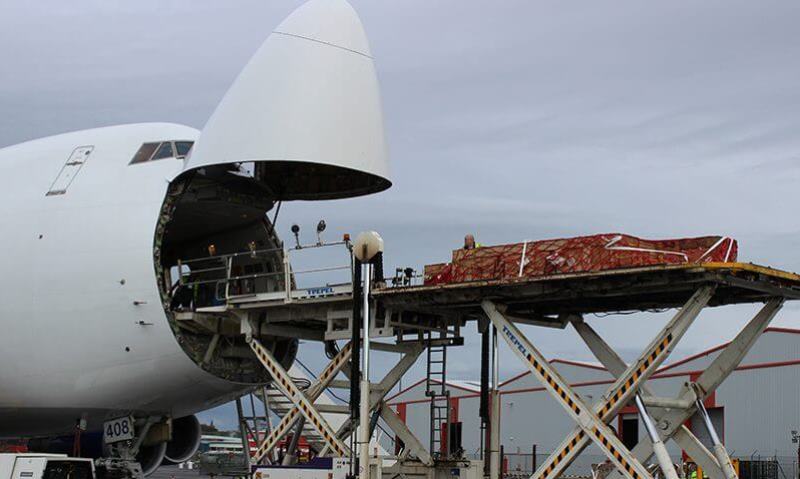
Global air cargo markets are experiencing a renewed upswing in freight rates, with fares climbing back toward levels typically seen during peak shipping seasons. This rebound comes amid tightening capacity, ongoing geopolitical disruptions, and rising fuel costs that have combined to put sustained upward pressure on pricing across key trade lanes.
Airfreight rates, measured on major international lanes, are rising sharply after a period of volatility earlier in the year, fueled in part by capacity constraints linked to conflict and airspace closures in the Middle East. The disruption has curtailed lift availability through traditional transit hubs, forcing carriers and forwarders to adjust networks and rethink routing strategies.
“Airfreight rates are heading back towards peak‑season levels, with significant cost increases reported across multiple markets as capacity remains tight.” — Latest analysis from industry data.
Recent weekly market figures also underscore the trend — charter air cargo rates have spiked to levels not seen since early in the pandemic era, reflecting distortions in demand and available capacity that have yet to ease.
In particular, weight‑critical lanes such as Asia–Europe and transcontinental services are seeing rate gains as carriers prioritize high‑yield cargo and recalibrate their networks to manage constrained schedules.
Key factors driving the rate surge:
- Tightened capacity as carriers reposition assets and avoid conflict‑affected airspace.
- Higher fuel and operational costs, which are being passed through to shippers in the form of increased air freight rates.
- Seasonal demand dynamics, with importers and exporters building inventory ahead of quarter‑end activity.
Industry analysts say that while demand fundamentals remain strong in many markets, the persistent capacity squeeze is a significant factor pushing global air cargo pricing back to levels normally associated with the busiest freight months of the year. Shippers may face tighter budgets and longer lead times as carriers adjust block space and prioritize premium cargo.
Outlook: With geopolitical tensions and fuel price volatility still in play, air cargo rates could remain elevated in the near term — particularly if alternative cargo transport modes struggle to absorb overflow demand or if further restrictions impact key global air hubs.