
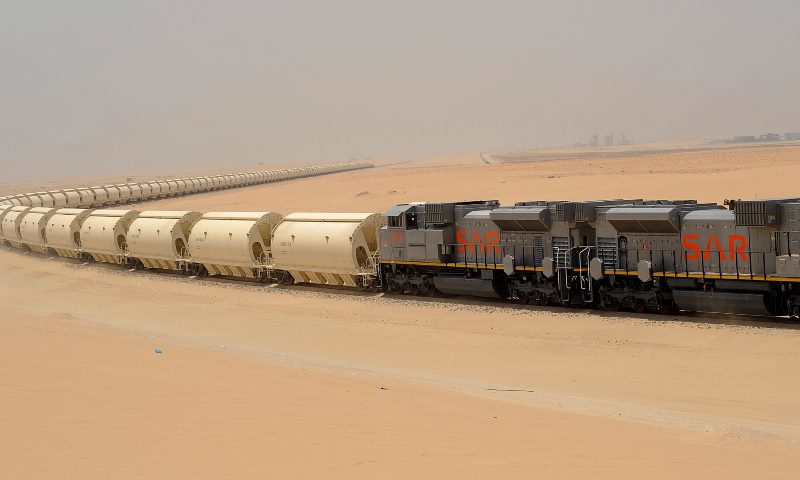
Saudi Arabia has announced the launch of five new rail routes aimed at significantly reducing cargo transit times and logistics costs while enhancing connectivity between key Gulf ports.
The initiative is part of the kingdom’s broader strategy to strengthen its position as a regional logistics hub by integrating rail networks with major seaports. The new routes are expected to streamline the movement of goods across industrial zones and ports, improving supply chain efficiency and reliability.
Officials noted that the enhanced rail connectivity will reduce dependence on road transport, lower carbon emissions, and support faster turnaround times for cargo shipments. The routes will also facilitate smoother movement of bulk commodities, containers, and industrial goods across the region.
The development aligns with the country’s Vision 2030 agenda, which focuses on diversifying the economy and boosting infrastructure investments. By improving multimodal transport links, Saudi Arabia aims to attract more trade flows and increase its competitiveness in global logistics.
Industry stakeholders have welcomed the move, highlighting that faster and more cost-effective cargo movement will benefit exporters, importers, and shipping companies operating in the Gulf region. The new rail corridors are expected to play a crucial role in supporting trade growth and regional economic integration.