
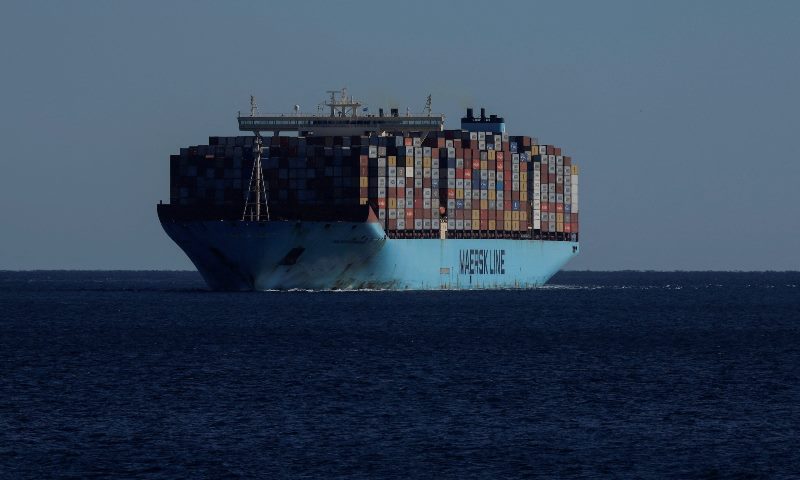
Maersk has removed Gwangyang from its Asia–West Coast Latin America AC3 service, adjusting the route network to optimize vessel deployment and improve schedule efficiency across the trade lane.
The change reflects ongoing efforts by global carriers to fine-tune service rotations in response to shifting cargo demand, port productivity levels and broader supply chain conditions. Service revisions are common as shipping lines seek to maintain reliability while balancing transit times and operating costs.
Gwangyang, one of South Korea’s major container ports, has been an important gateway for regional exports including industrial goods, chemicals, machinery and manufactured products. Its removal from the AC3 rotation may require some shippers to reroute cargo through alternative ports or feeder connections.
Industry analysts said carriers are increasingly reviewing network structures amid volatile freight markets, changing trade flows and rising cost pressures. Adjustments such as port omissions can help improve on-time performance, reduce congestion exposure and streamline voyage planning.
The Asia–West Coast Latin America corridor remains strategically significant, supporting trade in consumer goods, electronics, auto parts, commodities and agricultural inputs. Demand on the route has evolved as Latin American economies expand sourcing links with Asian manufacturers.
Shippers affected by the Gwangyang omission may need to reassess logistics planning, inland connections and booking schedules depending on cargo origin and destination requirements. Alternative South Korean gateways or nearby transshipment hubs could absorb redirected volumes.
Maersk’s decision highlights the increasingly dynamic nature of liner shipping networks, where operational flexibility and route efficiency remain central to carrier strategy in a rapidly changing global trade environment.