
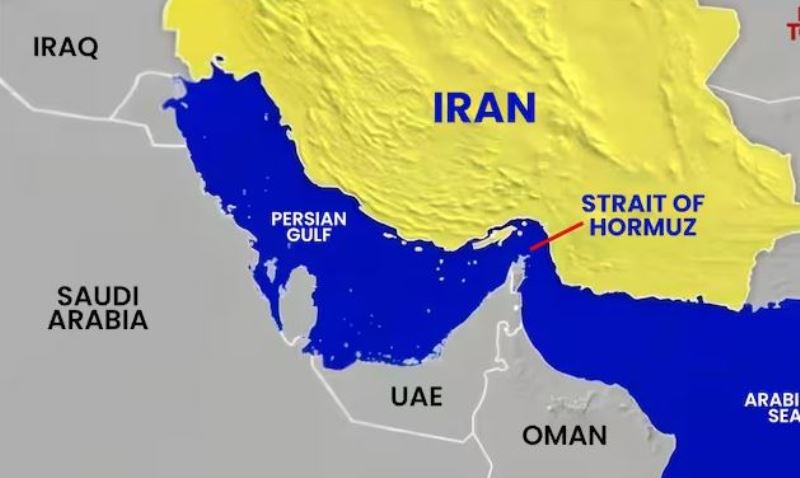
Shipping traffic through the strategically vital Strait of Hormuz remained disrupted on Tuesday after US President Donald Trump rejected Iran’s latest peace proposal and warned that the fragile ceasefire in the region may not hold.
Speaking at the Oval Office, Trump described Iran’s response to the US proposal as “a piece of garbage” and stated that the ceasefire was currently on “life support,” triggering renewed concerns over security in one of the world’s most important energy corridors.
According to sources familiar with the discussions, Iran responded to Washington’s proposal by demanding an end to the US naval blockade and sanctions relief, while continuing to seek some level of control over shipping movements through the Strait of Hormuz.
The prolonged tensions pushed global oil prices higher, with Brent crude rising nearly 2 per cent to trade above $106 per barrel amid fears of extended supply disruptions. The spike in energy prices also intensified inflation concerns, contributing to upward pressure on bond markets as the US 10-year Treasury yield moved higher.
While Trump stopped short of threatening immediate military action, he said a diplomatic solution remained “very possible.” However, Tehran has not publicly signaled any willingness to step back from the conflict despite facing significant economic and military strain during the 10-week war.
The ongoing crisis has increased pressure on the US administration as disruptions in oil flows continue to affect global energy markets and domestic fuel prices.
In response to rising fuel costs, Trump on Monday supported the idea of a temporary gasoline tax holiday aimed at easing pressure on consumers, though the proposal could cost the US government billions of dollars each month.
The US government has also announced additional releases from its strategic petroleum reserves in an effort to stabilize markets. The Department of Energy said 53.3 million barrels were awarded to companies including Trafigura Group and Marathon Petroleum.
Meanwhile, The Wall Street Journal reported, citing unnamed sources, that the United Arab Emirates carried out assaults on Iran last month, adding another layer of tension to the escalating regional conflict.