
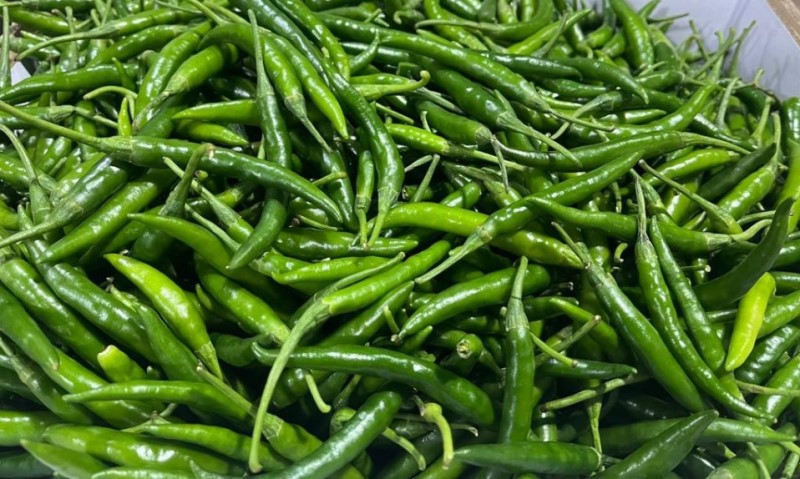
Indian chilli exports have encountered fresh challenges in the Chinese market after authorities reportedly rejected several chilli consignments, adding to concerns that emerged earlier this year when Indian rice shipments faced import-related difficulties. The latest development has raised concerns among exporters and traders who view China as an important destination for a range of agricultural products.
Industry sources indicate that the rejected chilli cargoes were subjected to regulatory scrutiny, leading to disruptions in trade flows and uncertainty for exporters. The move comes at a time when India has been seeking to expand agricultural exports and strengthen its presence in key overseas markets.
The rejection follows previous hurdles involving rice shipments in May, prompting exporters to call for greater engagement between the two countries to address compliance requirements and prevent further disruptions. Trade bodies are closely monitoring the situation and assessing its potential impact on export volumes and pricing.
India is one of the world’s leading producers and exporters of chillies, supplying a wide range of markets across Asia, Europe, and the Middle East. Any prolonged restrictions in the Chinese market could prompt exporters to diversify destinations and explore alternative buyers to maintain shipment volumes.
Officials and industry stakeholders are expected to engage with their Chinese counterparts to clarify the reasons behind the rejection and work toward restoring smooth trade in agricultural commodities. The outcome will be closely watched by exporters as they navigate evolving regulatory requirements in international markets.