
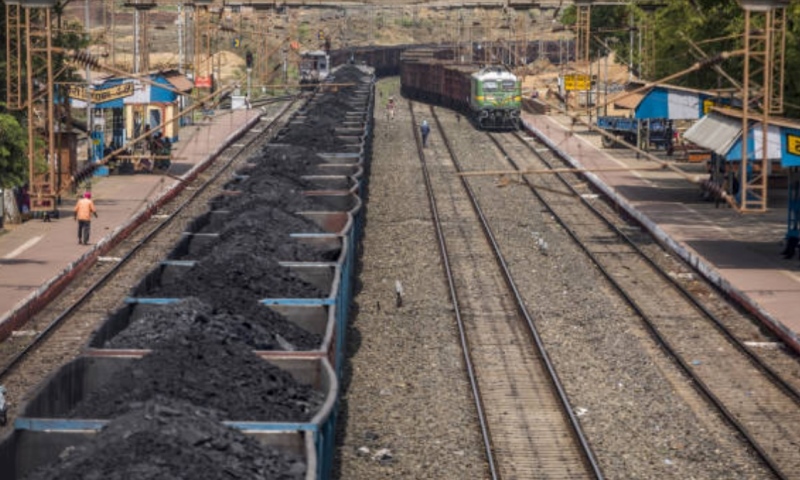
Indian Railways continues to register steady growth in freight movement, reflecting strong demand for rail-based logistics from key sectors such as coal, steel, cement, fertilizers, foodgrains, and containers. The sustained increase in cargo volumes underscores rail transport’s expanding role in supporting India’s industrial production and trade.
Higher freight traffic has been driven by rising economic activity, infrastructure development, and growing adoption of rail as a cost-effective and environmentally sustainable mode of transport. Investments in dedicated freight corridors, modern terminals, and improved network capacity have further enhanced operational efficiency and reduced transit times.
The expansion of multimodal logistics infrastructure and stronger connectivity with ports and industrial hubs are encouraging more businesses to shift cargo from road to rail. This transition is helping reduce logistics costs while improving supply chain reliability for manufacturers, exporters, and importers.
Indian Railways has also focused on digitalisation, faster cargo handling, and customer-centric freight services to attract a broader range of commodities. These initiatives are strengthening its competitiveness in the logistics sector and supporting the government’s objective of increasing rail’s share in the country’s freight movement.
With continued infrastructure investments and rising industrial demand, Indian Railways is expected to play an increasingly important role in enhancing India’s logistics efficiency, boosting trade competitiveness, and supporting long-term economic growth.