
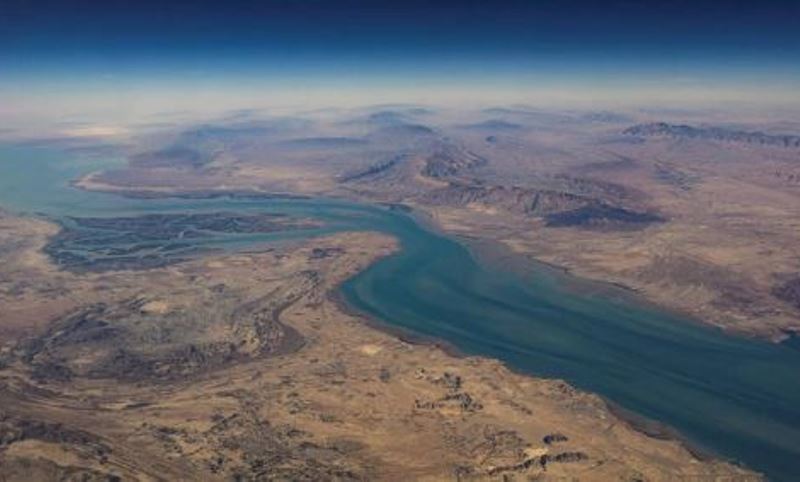
Iran has announced that it has reached an agreement with Oman to establish new shipping lanes in the Strait of Hormuz, a move aimed at enhancing maritime safety, improving navigational efficiency, and ensuring the uninterrupted flow of international trade through one of the world’s busiest shipping corridors.
According to Iranian officials, the new routing arrangement is designed to optimize vessel traffic and strengthen coordination between the two countries in managing navigation through the strategic waterway. The agreement is expected to support safer passage for commercial vessels while reducing the risk of congestion in heavily trafficked sections of the strait.
The Strait of Hormuz is a critical global maritime chokepoint linking the Persian Gulf with the Gulf of Oman and the Arabian Sea. A significant share of the world’s crude oil, liquefied natural gas (LNG), and containerized cargo passes through the narrow waterway each day, making efficient traffic management essential for global energy and supply chains.
Industry experts believe the introduction of revised shipping lanes could improve vessel flow and enhance navigational safety, particularly as maritime traffic continues to grow. Any measures that increase operational efficiency in the strait are expected to benefit shipping lines, energy exporters, and cargo owners by supporting more predictable transit times.
The agreement also reflects ongoing regional efforts to strengthen maritime cooperation and safeguard international shipping amid heightened geopolitical tensions in the Gulf. Shipping companies continue to closely monitor developments in the region, where security concerns have periodically affected vessel routing, insurance costs, and freight rates.
If implemented successfully, the new shipping lanes could reinforce the Strait of Hormuz’s role as a vital international trade corridor while supporting the continued movement of energy supplies and commercial cargo between the Middle East and global markets.