
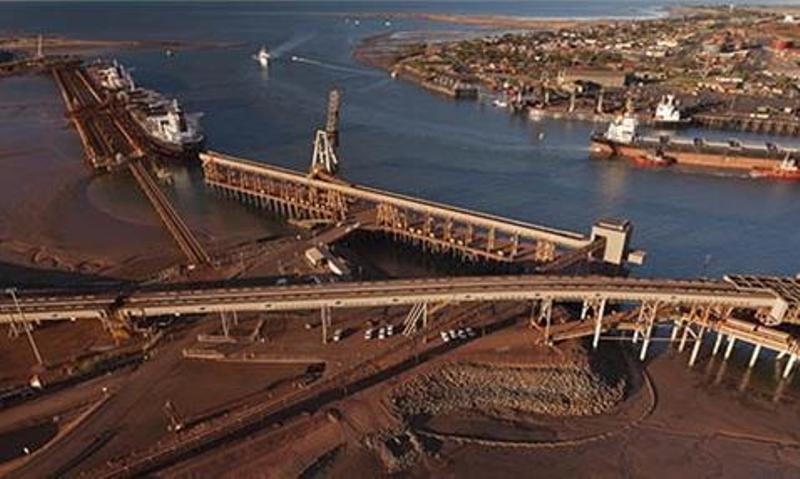
Pilbara Ports recorded total throughput of 63.8 million tonnes (Mt) in July 2026, a 1% decline compared with the same month last year, according to the latest figures from Pilbara Ports Authority.
The Port of Port Hedland handled 45 Mt during the month, including 44.2 Mt of iron ore exports. Its total throughput fell 4% year-on-year, while imports increased 4% to approximately 250,000 tonnes.
China remained the dominant destination for Port Hedland’s iron ore shipments, receiving around 37.86 Mt in July. South Korea, Japan and Vietnam were among the other major destinations.
Meanwhile, the Port of Dampier recorded 14.7 Mt of throughput, up 3% from July 2025. Imports rose 17% year-on-year to about 115,000 tonnes, highlighting stronger activity on the import side.
Iron ore continued to dominate Dampier’s cargo mix, accounting for about 12.6 Mt, while LNG contributed approximately 1.45 Mt and salt volumes reached around 358,000 tonnes.
Pilbara Ports said monthly throughput can fluctuate because of market conditions, weather, port maintenance activities and changing customer requirements.
Despite the modest July decline, the Pilbara remains one of the world’s most important bulk commodity export regions, with Port Hedland serving as a major global gateway for iron ore. The latest figures underline the continued strength of Australia’s resource-export supply chain, even as monthly volumes respond to changing market and operational conditions.