
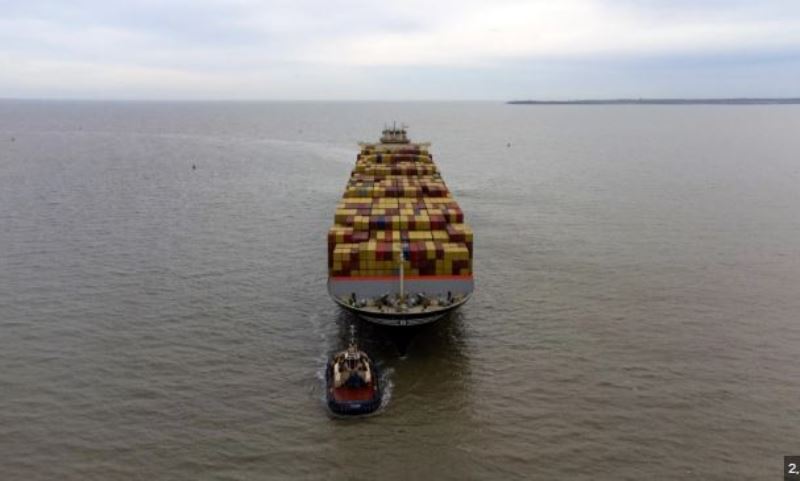
Somalia’s business community is exploring alternative shipping routes as security concerns around the Bab al-Mandab Strait and Strait of Hormuz disrupt regional trade and raise fears of cargo delays and higher transport costs.
Mogadishu Seaport Director Mohamed Ali Nur said the port has been working with exporters to develop alternative supply routes. In a recent development, a vessel carrying sugar arrived directly from Sri Lanka, bypassing traditional transit routes through Gulf countries.
Somalia relies heavily on maritime trade for food and other essential commodities, with imports traditionally routed through the UAE, Oman and Saudi Arabia. Traders are now seeking more direct connections as instability in the region creates uncertainty for vessels operating through critical waterways.
The escalation of conflict in Yemen has further heightened concerns over the safety of shipping through Bab al-Mandab. The International Organization for Migration said more than 85,000 people had been displaced since the beginning of the month, with over 2,000 reaching neighbouring Djibouti.
Shipping operators warn that continued instability could complicate maritime transport, potentially increasing freight costs and causing delays in the delivery of imported goods to Somali markets.