
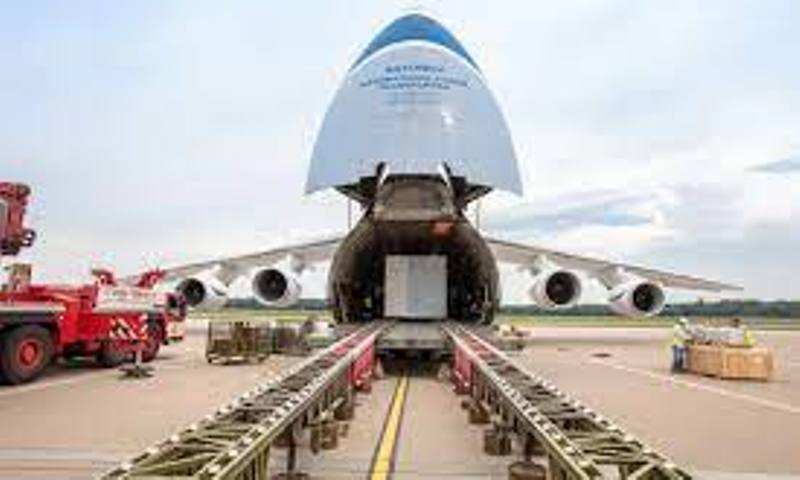
US operator Ascent Global Logistics had a busy October and November, and December is likely going to be even more intense.
The reason is not the seasonal shopping frenzy, but plenty of urgent shipments for the automotive industry – especially for the ‘big three’ Detroit auto makers ,which are ramping up production following a strike by members of the United Auto Workers (UAW) union from mid-September through October.
“During the about 44-day UAW work stoppages we were extremely busy, flying charters (particularly from Mexico) to move supplies, and parts,” reported Ascent CEO Paul Martins.
Shutdowns at car plants sent reverberations up OEM supply chains, disrupting schedules and flows at suppliers.
“During a strike, yards and warehouses fill up quickly, as produced parts are piling up,” explained Robert Gulyas, global VP automotive and industrial at Crane Worldwide Logistics.
“When the strike is over, there is a huge need for emergency freight. Stopping and re-starting production takes time. There are shortages of commodities, so there is a need for charters,” he added.
Suppliers at tier one and two are still increasing production to meet demand, reported Micah Holst, chief commercial officer of Ascent Global. The company has a strong focus on mission-critical solutions, mostly for automotive and industrial clients, who make up the majority of its customer base. It serves all the major North American OEMs and tier one suppliers.
A key part in the charter activity is played by its airline arm, USA Jet, which operates a fleet of 13 freighters in North America. This capacity is supplemented through agreements with other carriers.
“Everything is ad hoc,” Mr Holst said, adding that he expects charter volumes to continue to rise this month. At the low end, demand should increase 5%-10%, but it could go as high as 25%, he reckoned.
How long the elevated volumes will persist is unclear. Typically, the first quarter tends to be slower in terms of charter demand, but this can change under the impact of something like an ice storm in the southern US, Mr Holst noted.
Moreover, volumes and charter demand have been elevated as a result of the near-shoring drive into Mexico, which has been spearheaded by the automotive sector. BMW and Tesla have plans for new production plants, and others have expanded their facilities.
Air Canada has been moving auto parts between Europe and Mexico, reported Matthieu Casey, MD commercial for cargo.
In terms of urgent charter demand, Mr Holst has not seen much change in the international arena. He sees most of the action within Mexico and USMCA.
“We expect demand in Mexico to strengthen,” he said, adding that Ascent has a hub in Aguas Calientes and a strategic alliance with a Mexican carrier to meet rising demand.
Another factor that has added to the rise in charter demand is the congestion at the Mexico-US land border, according to one forwarder. Truck safety inspection campaigns by the Texas Department of Public Safety, on the order of state governor Abbott, have caused lengthy delays for northbound flows.