
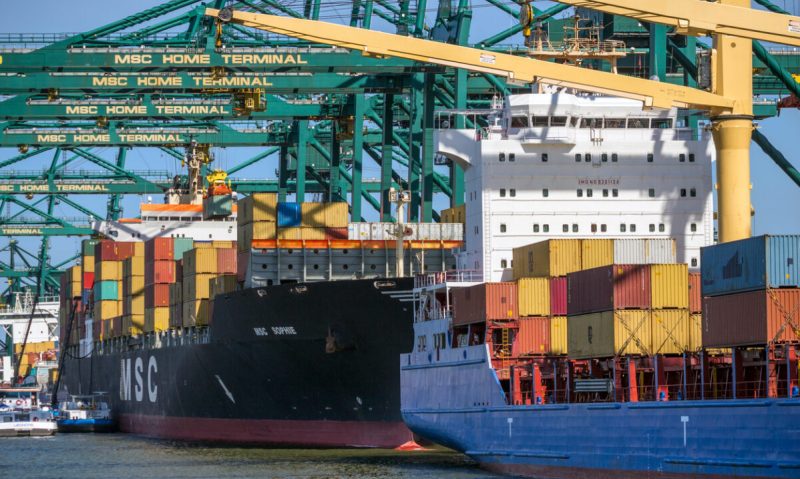
The Port of Antwerp-Bruges reported a decline in container volumes as ongoing disruptions to global shipping networks, geopolitical tensions, and supply chain challenges continued to affect cargo flows during the latest reporting period.
Port authorities said container throughput was impacted by vessel schedule disruptions, longer transit times, and persistent congestion across key international trade routes. Operational adjustments by shipping lines and changes in service patterns also contributed to lower container handling volumes compared with the previous period.
Despite the decline in container traffic, the port maintained stable operations across its terminals through close coordination with shipping companies, terminal operators, and logistics partners. Continued investments in infrastructure, digitalisation, and intermodal connectivity helped minimise delays and improve cargo movement efficiency.
The Port of Antwerp-Bruges remains one of Europe’s largest maritime gateways, serving as a vital hub for containerised cargo, breakbulk, liquid bulk, dry bulk, vehicles, and project cargo. The port continues to play a strategic role in connecting European industries with global markets through its extensive network of shipping services and inland transport links.
Port officials noted that while short-term market conditions remain challenging due to geopolitical uncertainties and evolving trade patterns, long-term demand for container shipping is expected to remain resilient. The port is continuing to invest in capacity expansion, sustainability initiatives, and digital supply chain solutions to strengthen its competitiveness and support future trade growth.