
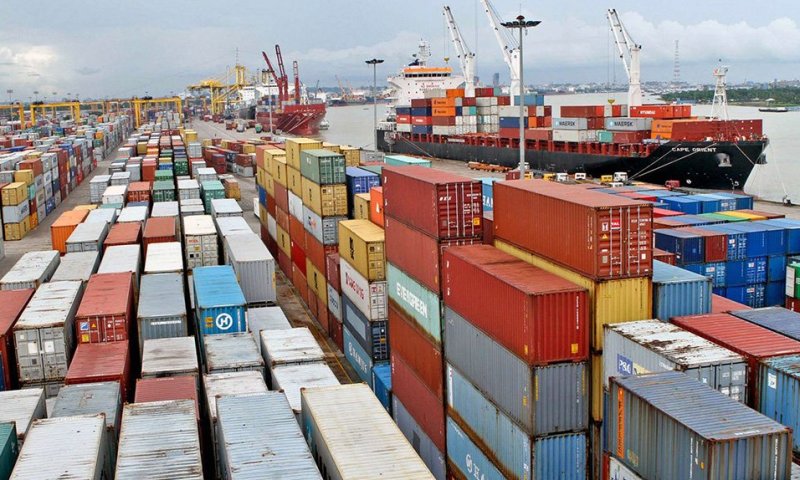
Chittagong’s RSGT Terminal has significantly increased storage charges for less-than-container-load (LCL) cargo, introducing a fourfold hike in warehouse rent that is expected to raise logistics costs for importers, exporters, and freight forwarders using the facility.
The revised tariff applies to LCL consignments stored at the terminal and is aimed at addressing rising operational expenses, improving warehouse utilisation, and encouraging faster cargo clearance. Terminal operators believe the updated pricing structure will help reduce cargo dwell times and optimise the use of limited storage space.
The substantial increase is likely to have a greater impact on small and medium-sized businesses that rely on LCL shipments to transport smaller cargo volumes. Higher storage costs could increase overall import expenses, prompting shippers to accelerate customs clearance processes and review inventory management strategies.
Freight forwarders and logistics providers are expected to assess the financial implications of the revised charges while advising customers on measures to minimise storage costs. Efficient documentation, timely customs processing, and improved cargo planning will become increasingly important to avoid extended warehouse stays and additional charges.
The tariff revision comes as ports and terminal operators across the region continue to modernise infrastructure and improve operational efficiency in response to growing trade volumes. Managing warehouse capacity and ensuring faster cargo movement remain key priorities for maintaining smooth port operations and reducing congestion.
Industry stakeholders will closely monitor the impact of the new storage rates on cargo flows through Chittagong, one of Bangladesh’s principal maritime gateways. While the revised charges may encourage quicker cargo evacuation, they are also expected to increase logistics costs for businesses engaged in international trade, highlighting the need for efficient supply chain planning and cost management.