
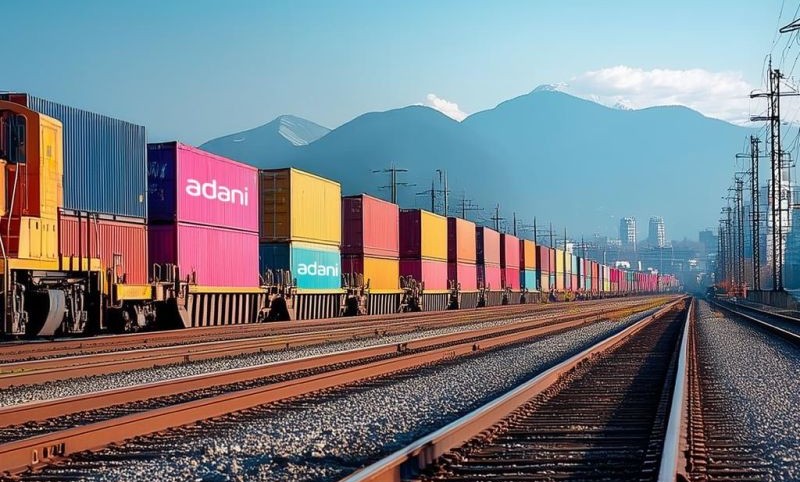
Concerns over increasing congestion and rail evacuation bottlenecks at Mundra Port have resurfaced, with the Association of Container Train Operators (ACTO) formally raising operational issues affecting cargo movement and supply chain efficiency.
According to industry sources, container yard pendency at the port has crossed 16,000 TEUs, while the rail pipeline has reportedly exceeded 60 trains, resulting in mounting pressure on evacuation operations. Stakeholders indicate that the current situation is leading to delays in rail handling, challenges in adhering to FIFO (First-In-First-Out) cargo movement principles, and difficulties in achieving planned double-stack train loading targets.
ACTO, representing container train operators across the country, has written to the port management highlighting concerns over train utilisation levels, container dwell times, and operational costs arising from congestion-related delays.
The association noted that actual train loading volumes are reportedly falling short of the load plans shared by Container Train Operators (CTOs), affecting evacuation efficiency and increasing logistics costs. Lower-than-planned loading volumes can reduce the benefits of double-stack rail movement and, in some cases, result in under-utilised rake operations.
Industry participants also pointed to challenges in maintaining FIFO-based cargo evacuation. With pressure to release rakes quickly, older containers are reportedly facing delays in movement, leading to extended dwell times and additional storage-related expenses. CTOs have stated that these costs are often passed down through the logistics chain, impacting both operators and cargo owners.
Another issue highlighted by ACTO relates to wagon inspections and maintenance procedures at the port. CTOs have expressed concerns over instances where wagons certified fit by Indian Railways are subsequently deemed unsuitable for loading by port-appointed maintenance teams, resulting in underframe movements and additional operational costs.
Sources within the logistics industry indicate that the port is currently handling significantly fewer than the approximately 30 trains per day that stakeholders consider necessary to keep pace with prevailing cargo volumes. As a result, congestion levels and rail pipelines have continued to build up in recent weeks.
In its communication, ACTO has sought measures including relief on certain port-related charges, mitigation of congestion-linked cost impacts, improved coordination on wagon maintenance issues, and greater transparency through operational advisories regarding congestion and cargo pendency levels.
The association has reiterated its willingness to engage with port authorities to find practical solutions aimed at improving rail evacuation performance and reducing operational inefficiencies.
The developments come at a time when Mundra Port continues to handle growing container volumes and remains one of India’s most important gateways for EXIM trade, making efficient rail connectivity and cargo evacuation critical for maintaining supply chain fluidity across the hinterland.