
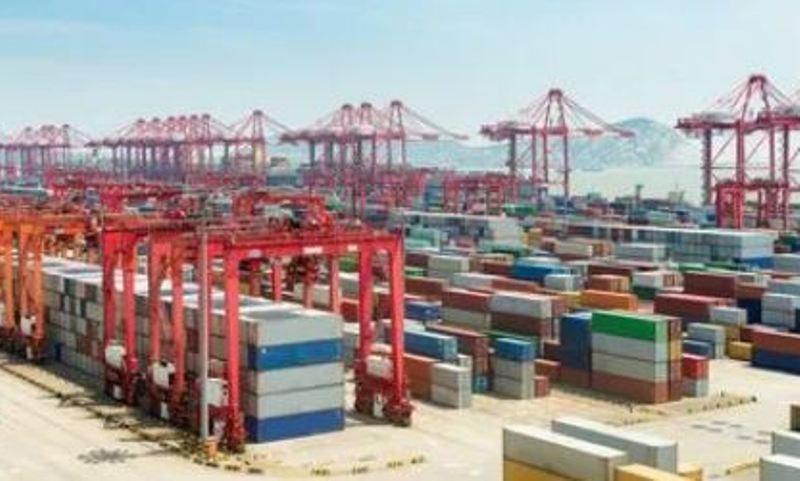
India’s goods exports slid for the third consecutive month. Blame it on lower petro prices. But non-oil exports are up a decent 14.5% to $32.9 bn. Export diversification is one reason for good tidings. High value-added electronic exports are pushing the frontier outwards, while traditional leaders such as engineering goods and pharmaceuticals are displaying good momentum. Soft prices of oil cuts both ways by reducing export as well as import value, although the impact is higher on the former. The energy market has turned nervous over threats of US tariffs affecting merchandise trade overall. Rise of the dollar is mirroring this sentiment. India’s energy imports are sensitive to the rupee’s slide, which may not provide adequate protection to exports if the US were to impose reciprocal tariffs.
Another area of focus is to raise investment in domestic manufacturing through export incentives. This is not as controversial in a global trading order obsessed with import duties. This aids the secular diversification of product categories and export markets. PLIs across a broader portfolio of industries must be fine-tuned to replicate the success of electronic exports. All of this must be accomplished while global merchandise trade finds a new equilibrium. India must be both strategic and swift with its policy intervention over manufacturing exports. It has some leeway, but not much, due to slower de-globalisation of trade in services.