
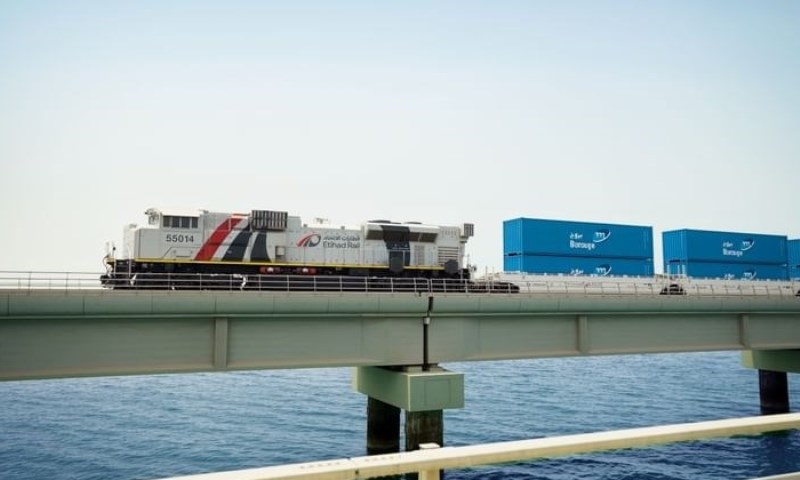
The Gulf Cooperation Council (GCC) is advancing plans for a transformative 2,177-kilometre railway network connecting all member states, marking a major milestone in regional cohesion and sustainable transport.
Traditionally dependent on road, sea, and air routes, the Gulf faces increasing strain from rising trade volumes, population growth, and environmental concerns. The GCC Railway aims to shift freight from road to rail, potentially cutting logistics costs by up to 30% while significantly reducing carbon emissions.
Designed to enhance connectivity akin to the European Union’s transport framework, the network will facilitate rapid movement of goods from industrial hubs such as Oman’s Sohar to major cities, including Riyadh and Doha. It will also improve passenger mobility for tourists, students, and professionals, fostering cultural exchange and economic collaboration.
The project is expected to spur the growth of logistics hubs, industrial zones, and commercial corridors, creating new opportunities for local businesses, foreign investors, and regional enterprises. By 2045, the railway is projected to handle more than 95 million tonnes of freight and carry over 8 million passengers annually.
Beyond infrastructure, the GCC Railway represents a shared vision for unity, prosperity, and environmental responsibility, shaping the Gulf’s economic landscape for generations to come.