
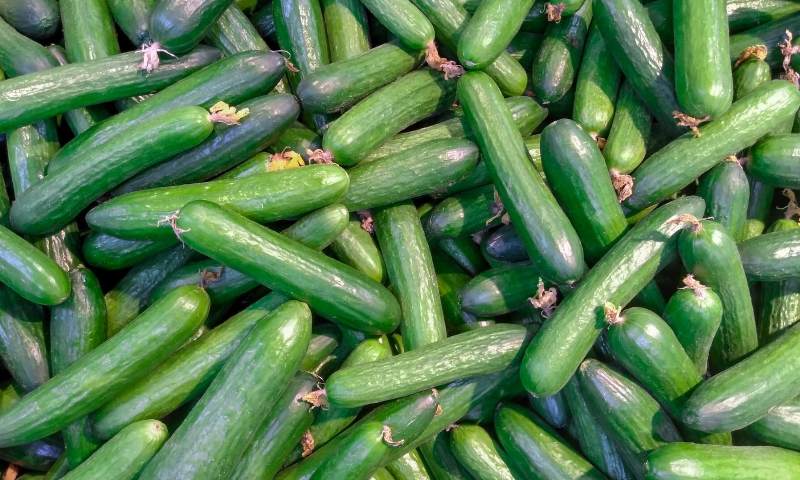
India’s gherkin exports are expected to stabilise in the coming months following the recent reduction in US import tariffs, offering much-needed relief to processors and exporters who had been grappling with margin pressures and slower orders.
Industry stakeholders said the tariff cut would help restore price competitiveness for Indian shipments to the United States, one of the largest markets for processed gherkins. Exporters anticipate a gradual pick-up in fresh contracts as buyers recalibrate sourcing strategies and rebuild inventories.
The US accounts for a significant share of India’s gherkin exports, particularly in the processed and pickled segments used by quick-service restaurants and retail chains. Lower duties are expected to improve demand visibility and support steady order flows through the next two quarters.
Meanwhile, exporters are also looking to the European Union for incremental growth. While demand from the EU remains stable, industry representatives noted that any substantial boost would likely unfold gradually due to stringent quality standards, sustainability compliance requirements and longer contracting cycles.
India remains one of the world’s leading producers and exporters of gherkins, with key cultivation hubs in Karnataka, Tamil Nadu and parts of Andhra Pradesh. The sector supports thousands of smallholder farmers through contract farming arrangements and integrated processing facilities.
Exporters emphasised that maintaining consistent quality, meeting traceability norms and managing input costs will be critical to sustaining growth momentum. With improved access to the US market and steady engagement in Europe, the industry is cautiously optimistic about achieving balanced growth in the current fiscal year.