
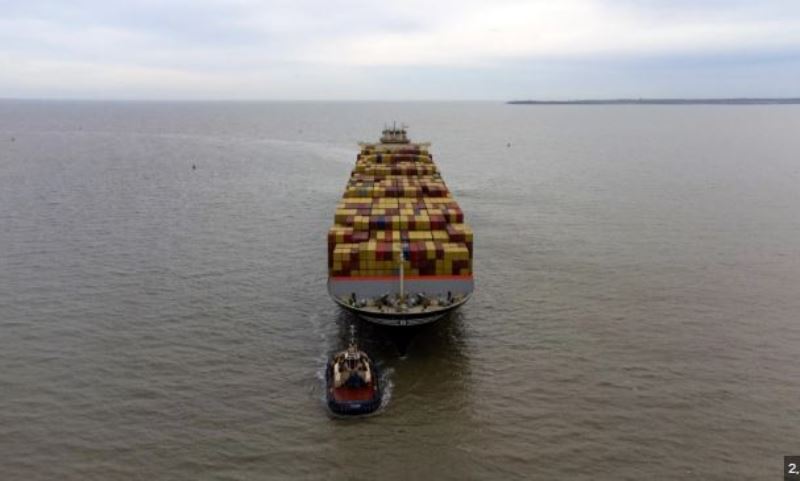
PSA Mumbai has strengthened its regional shipping network with the introduction of a new feeder service by Global Feeder Shipping, aimed at enhancing supply chain resilience and stabilising cargo flows between India and key Gulf and Red Sea ports.
The newly launched JJS service commenced with the inaugural call of the vessel MV SSF Dynamic at Jawaharlal Nehru Port, marking the start of a structured and strategically designed port rotation. The service will connect major ports including Mundra Port, Nhava Sheva Port, Jeddah Islamic Port, King Abdullah Port, Sokhna Port, and Port of Aqaba, before returning via the same corridor.
The service launch comes at a time when geopolitical tensions are reshaping global shipping patterns, particularly across critical maritime corridors. Against this backdrop, the JJS service is designed to enhance cargo flow reliability, offer greater routing flexibility, and build network redundancy for shippers navigating uncertain operating conditions.
By strengthening connectivity between India’s west coast and key Middle Eastern trade hubs, the new loop is expected to provide vital support to exporters and importers dealing with volatile freight markets and evolving logistical risks.
The move also reinforces PSA Mumbai’s growing role within the regional trade ecosystem, particularly through deeper integration with strategic ports such as Jeddah and Aqaba. Industry observers note that the development reflects a broader shift towards more adaptive and diversified logistics networks, as shipping lines increasingly prioritise resilience and operational agility.
The launch of the JJS service underscores an ongoing transformation in global maritime trade, where flexibility, multi-port connectivity, and supply chain robustness are becoming central to sustaining trade continuity amid disruption.