
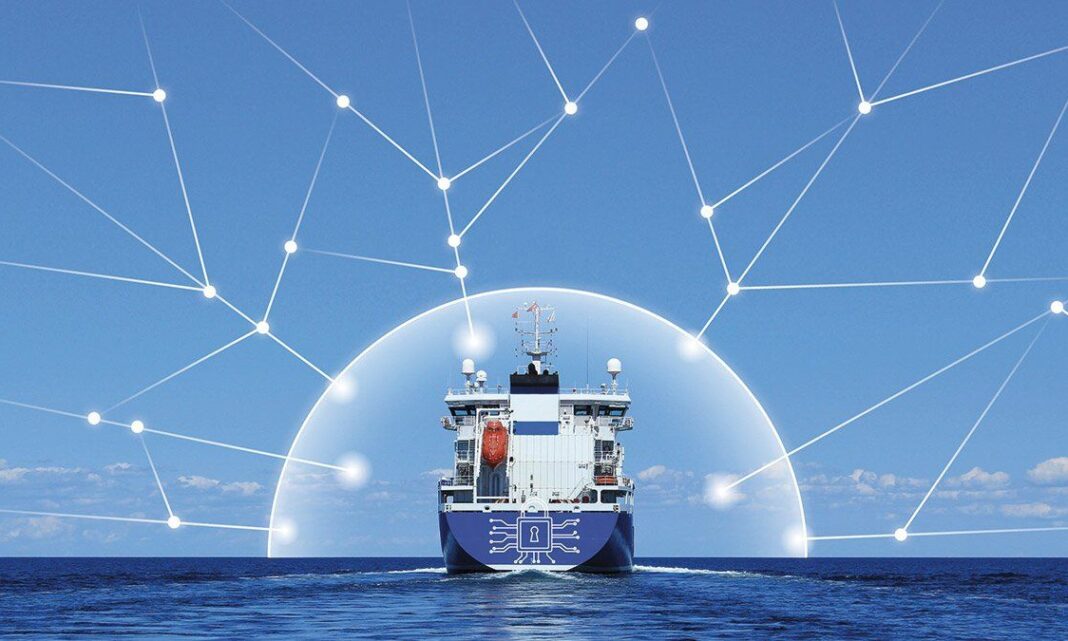
Amid growing concerns over cyber-attacks targeting Europe’s civilian ports, K. Nagaraj Naidu, IFS, Additional Secretary (AMS – USA & Canada), Ministry of External Affairs, stressed the importance of addressing cybersecurity and cyber warfare risks while advancing digitisation in trade and port infrastructure development.
Speaking at the India Maritime Week 2025, Naidu said that to ensure system resilience and transparency in infrastructure development, countries must have a clear understanding of the terms and implications when entering partnerships with other trading nations.
Ensuring transparency
Citing example of the sharp rise in threats targeting European and Mediterranean port facilities, with many attacks allegedly traced to Russia, Iran, and China, Naidu said, “Today when we talk about digitisation that means you have to also take care of cyber warfare.”
He further said that today, research vessels could also be used for completely different reasons, which we might not even be aware of. “In this context, QUAD nations — India, Australia, Japan, and the United States — must work towards raising awareness among countries about the nature and implications of their partnerships,” Naidu said.
He added that the concept of a “trusted partner” hinges on ensuring that every nation fully understands the systems and technologies they are adopting.
Need for seamless integration
Naidu informed that India and UAE recently conducted trial testing of digital trade between India and UAE as a part of the India-Middle East-Europe Economic Corridor (IMEC).
Naidu highlighted that the objective of digital trade extends beyond merely reducing logistics costs by 30–50 per cent. It also aims to make trade more seamless, transparent, and efficient by fostering a deeper understanding of systems and procedures.
He said efforts are underway to integrate unified payment mechanisms and enable digital acceptance of inspection and certification processes, allowing goods to move seamlessly across borders.
“Today, ports are undergoing a complete transformation. They are no longer just trade gateways but have evolved into strategic hubs that add significant depth and resilience to global trade networks. It is not just about standardising procedures; the focus going forward will be on developing resilient and foolproof systems that make global trade more trustworthy and secure,” Naidu added.