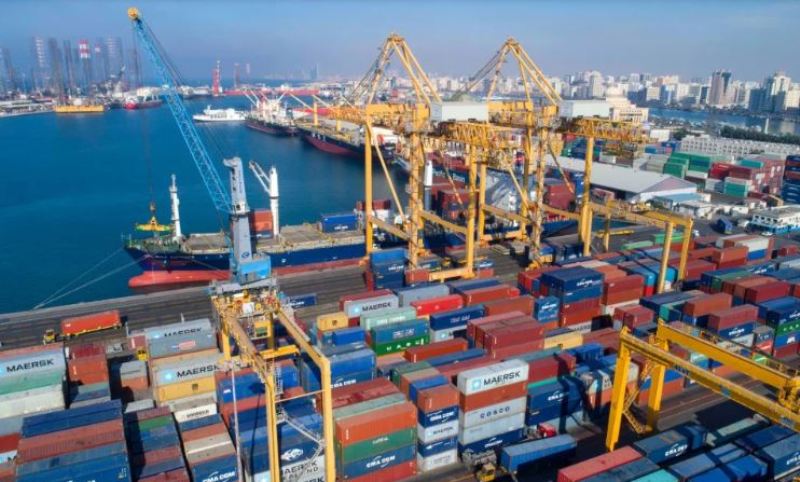
Ports across the Gulf region are accelerating investments in trucking infrastructure as part of a broader push to strengthen multimodal logistics and improve supply chain efficiency.
Industry officials say major port hubs are expanding truck terminals, adding dedicated lanes, and deploying digital gate systems to streamline cargo movement between seaports, inland distribution centres, and regional markets. These upgrades aim to reduce congestion, shorten turnaround times, and enhance connectivity with road networks.
The shift comes as logistics operators increasingly adopt multimodal strategies—integrating sea, road, and rail transport—to improve flexibility and reduce costs. Enhanced trucking capacity at ports is seen as a critical link in ensuring seamless cargo transfers and minimising bottlenecks.
Port authorities are also leveraging technology such as automated scheduling systems, real-time tracking, and electronic documentation to optimise truck flows and improve operational visibility. These measures are expected to support faster cargo clearance and better coordination across supply chain stakeholders.
Analysts note that the developments align with the Gulf’s ambition to position itself as a global logistics hub, catering to growing trade volumes between Asia, Europe, and Africa. As infrastructure upgrades continue, multimodal logistics is likely to play an increasingly central role in regional trade competitiveness.
