
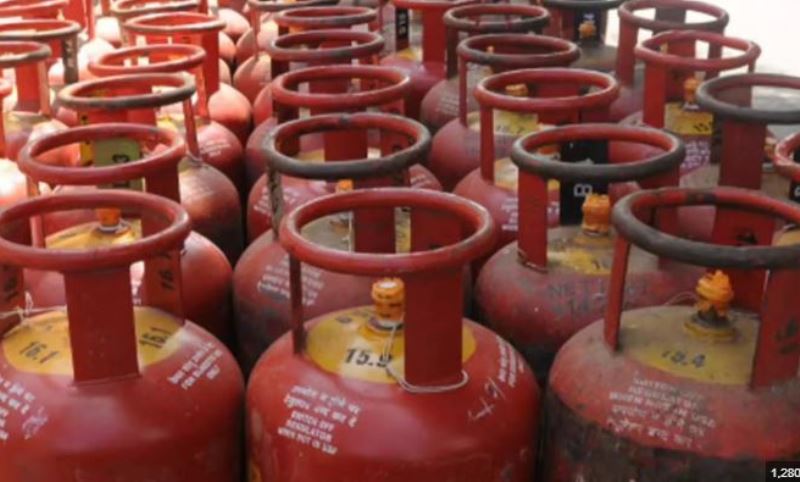
India paid about 29% more per tonne for imported liquefied petroleum gas (LPG) than pre-war market expectations in the six months following the US-Israel strikes on Iran, adding an estimated $1.1 billion to the country’s LPG import bill, according to the Centre for Research on Energy and Clean Air (CREA).
The disruption to energy flows through the Strait of Hormuz sharply increased LPG prices, with Saudi Aramco’s LPG contract price rising from $545 per tonne in February to $750 per tonne in April. Butane prices climbed even more sharply, rising 48% to $800 per tonne during the same period.
India also reduced its LPG imports by 26% compared with pre-war expectations during the six months. Imports fell 49% in March before recovering gradually, while the share of US LPG in India’s import mix increased from 8% in February to 32% in April as Gulf supplies were disrupted.
The total LPG import bill reached around $4.7 billion during the period, with the additional cost attributed to the price shock estimated at $1.1 billion. Import-parity costs for a standard 14.2-kg cylinder averaged about $8.10, compared with $6.28 under pre-war expectations.
The crisis has also prompted India to diversify its LPG sourcing, with US cargoes becoming increasingly important as Middle Eastern supplies were disrupted and longer voyages added to freight costs.