
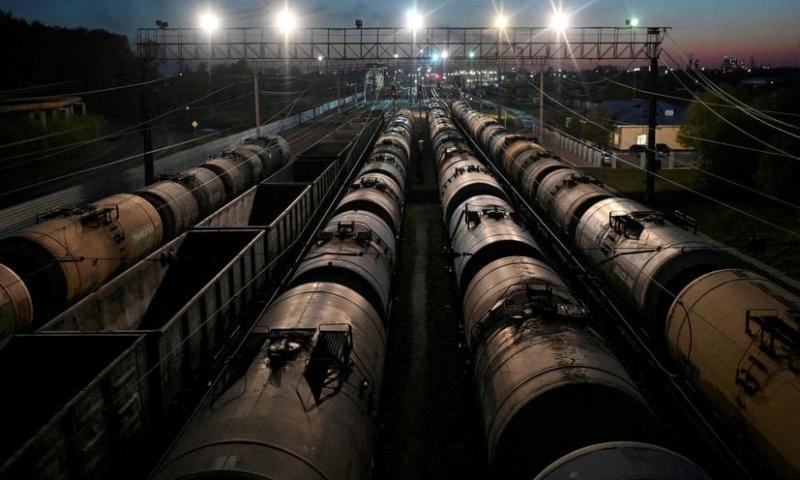
India is not expected to be impacted by a potential cut in oil production by the Opec+ countries, given the much lower global industrial demand outlook now, and continuing discounts on Russian crude, officials said. As a result, oil flows to India would remain optimal in the short to mid term, they added.
Opec+ nations will meet on Thursday to outline policy for the next three months, which is widely expected to hinge on further production cuts. Saudi Arabia is currently implementing production cuts of 1 million barrels per day (bpd) while Russia has instituted a voluntary export cut of 300,000 bpd till the end of the year.
Worries over dipping global demand for oil have worried producing nations. While Opec had predicted oil demand stagnating in the final months of the current year, the pace of fall has accelerated. Retail sales fell for the first time in seven months in the United States in October as motor vehicle purchases dipped.
Meanwhile, crude refining throughput in China slowed 2.8 per cent in October to the equivalent of 15.1 million bpd from a record high in September, official data shows.
Officials expect lower demand to keep prices in check as well. Brent crude prices stood at $82.5 per barrel as of the time of writing this, down from $94.3 in September.
Officials also say Indian refiners remain assured of uninterrupted crude supplies at discounted rates existing rates.
“Discounts on Russian oil had shrunk in mid-2023 but have recovered in recent months. We don’t expect discounts to slip below current levels under normal conditions,” an official with a state-owned refinery said. The level of discount currently hovers at $8-$10 per barrel.
As of September, the share of Russian crude in India’s imports remained at 38 per cent, less than its historic high of 42 per cent, estimates made by London-based commodity data analytics provider Vortexa, which tracks ship movements to estimate imports, shows.
This is expected to rise further. Indian refiners were earlier finding it difficult to pay in currencies other than the dollar, as demanded by Russia after it was hit by international sanctions. But now that issue has largely subsided owing to the widespread of UAE Dirham, the official said.
Production cuts first announced by both nations back in July had driven up prices at the pump, enriched Moscow’s war chest, and complicated global efforts to bring down inflation.
An intergovernmental organisation of 13 major oil-producing nations, such as Saudi Arabia, Iran, Iraq, and Venezuela, among others, Opec has been called a ‘cartel’ by economists. Member countries accounted for an estimated 44 per cent of global oil production and 81.5 per cent of the world’s ‘proven’ oil reserves as of 2018.
A series of steps taken by the bloc starting in late 2022 have led to a total oil output cut of about 5 million barrels per day (bpd), or about 5 per cent of daily global demand.
Analysts say for prices to remain where they are or increase in the rough range of $75-$95 per barrel seen in the last six months, Opec+ will need to reduce supply going into 2024 from current levels.