
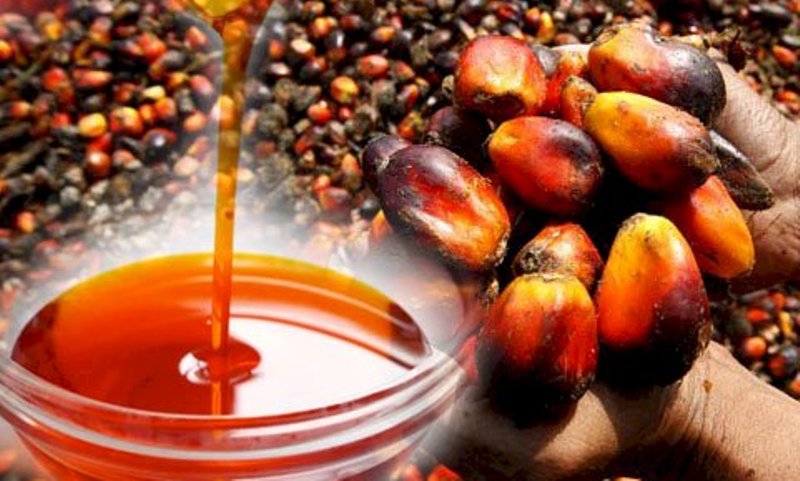
India witnesses a notable 12% drop in palm oil imports for January, reaching a three-month low, while soyoil imports surge by 23.7%, reflecting shifting trade patterns.
Sunflower oil imports decline by 15.6%, impacting total vegetable oil imports, which fall by 8.4% to 1.20 million tons. These fluctuations, influenced by factors like refining margins, freight rates, and geopolitical tensions, underscore the intricate dynamics shaping India’s vegetable oil market.
Highlights
Palm Oil Imports Drop: India’s palm oil imports in January declined by over 12% from the previous month, reaching a three-month low. This drop is attributed to negative refining margins for crude palm oil (CPO), prompting refiners to shift towards rival soyoil.
Soyoil Imports Increase: Conversely, imports of soyoil surged by 23.7% to 188,859 metric tons during the same period, reflecting a notable shift in preferences among importers.
Sunflower Oil Imports Decline: Sunflower oil imports experienced a decrease of approximately 15.6% to 220,079 tons in January. Higher freight rates, resulting from Houthi attacks on Red Sea shipping, contributed to the oil’s increased cost, impacting import volumes.
Total Vegetable Oil Imports Fall: The combined effect of reduced palm oil and sunflower oil imports led to a decline of 8.4% in India’s total vegetable oil imports, amounting to 1.20 million tons for January.
Supplier Countries: India primarily sources palm oil from Indonesia, Malaysia, and Thailand, while soyoil and sunflower oil imports come from Argentina, Brazil, Russia, and Ukraine.
Price Dynamics: The rebound in palm oil prices is expected to be constrained by ample supplies of rival soyoil and sunflower oil. These “soft” oils are presently available at discounts to tropical palm oil, marking the first time in over a year, as noted by industry officials.
Conclusion
The recent fluctuations in India’s vegetable oil imports, with palm oil facing a decline while soyoil sees a surge, highlight the market’s responsiveness to various factors like pricing, availability, and geopolitical tensions. While palm oil remains a significant import for India, the current shift towards soyoil suggests a potential reevaluation of sourcing strategies by importers. The market’s ability to adapt to changing conditions, coupled with the impact of global events like shipping disruptions, underscores the need for stakeholders to remain agile in navigating the complexities of the vegetable oil trade.