
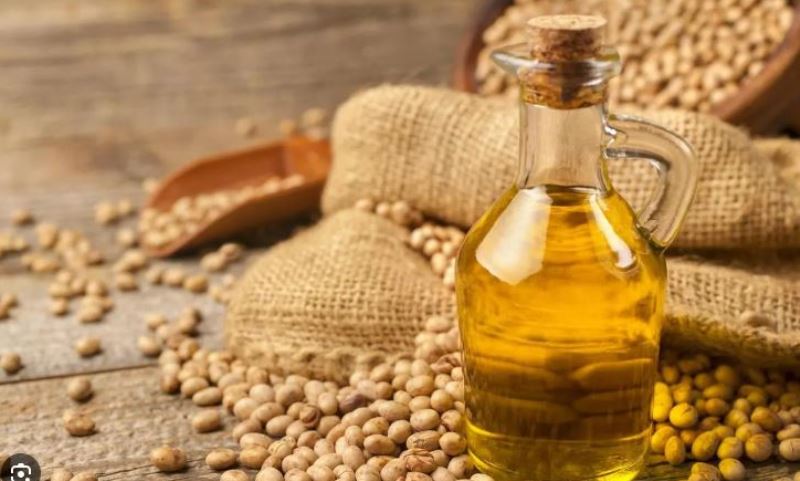
India’s imports of edible oils increased in August, led by a sharp rise in soyoil shipments, while palm oil imports also recorded steady growth as refiners and traders increased purchases to meet domestic demand.
Soyoil imports jumped 26% in August compared with the previous year, while palm oil imports rose 7%. The increase reflects continued dependence on overseas supplies to meet India’s large edible-oil consumption requirements.
Soyoil has gained importance in India’s edible-oil import basket as buyers respond to changes in international prices, availability and the relative cost of different vegetable oils. Palm oil remains the country’s largest imported edible oil because of its competitive pricing and availability from major producing countries.
India sources much of its palm oil from Indonesia and Malaysia, while Argentina, Brazil and other producers are important suppliers of soyoil. Changes in global crop production, export policies, freight costs and currency movements can influence the purchasing decisions of Indian importers.
The higher imports also come amid efforts by refiners to secure supplies ahead of periods of stronger domestic consumption. Vegetable oil demand typically remains firm in India due to household consumption and the food-processing industry.
Market participants are closely watching global vegetable-oil prices and production prospects as these factors will determine the competitiveness of palm oil, soyoil and other edible oils in the Indian market.
Higher soyoil imports could increase competition among different edible oils and influence domestic prices, while continued palm oil demand is expected to support shipments from Southeast Asian suppliers.
India remains one of the world’s largest edible-oil importers, with domestic oilseed production insufficient to meet total consumption. Consequently, international supply conditions continue to have a significant impact on the country’s edible-oil market.
The August import figures indicate that overseas sourcing remains strong, with refiners continuing to adjust their buying patterns according to global prices and availability. The trend is expected to remain important for India’s edible-oil trade and domestic price outlook in the coming months.