
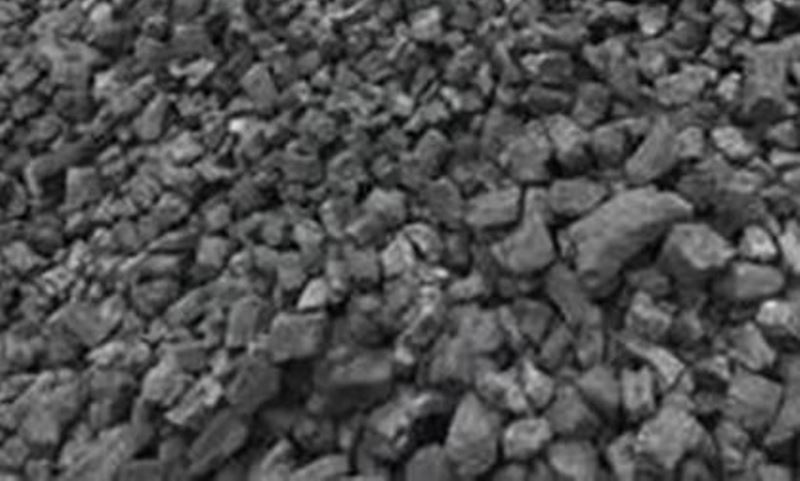
India’s imports of metallurgical coke (met coke) are on course to reach a record high, despite the imposition of anti-dumping measures aimed at protecting domestic producers from low-priced overseas supplies.
The increase in imports highlights the continued dependence of India’s steel industry on overseas supplies of met coke, a key raw material used in blast furnaces to produce iron. Strong steel production and insufficient domestic availability are supporting demand for imported material.
Met coke imports have remained elevated even after anti-dumping duties were introduced on supplies from selected countries. Buyers are continuing to source from international markets as domestic production has struggled to fully meet requirements in terms of volume, quality and pricing.
China, Japan, Poland, Colombia and other major producing countries remain important sources of met coke for Indian buyers. Changes in freight rates, international coke prices and availability from major exporting markets are influencing procurement decisions.
The expected record imports also underline the pressure facing Indian steelmakers to secure reliable supplies of essential raw materials. With domestic steel capacity continuing to expand, demand for met coke is expected to remain firm, particularly among integrated producers operating blast furnaces.
The higher import volumes could increase costs for steel manufacturers if international met coke prices rise or shipping expenses increase. However, access to overseas supplies provides mills with an alternative when domestic availability is tight.
The trend is likely to keep met coke imports in focus as India seeks to expand steel production while balancing the interests of domestic raw-material producers. Industry participants are expected to monitor the impact of anti-dumping duties, global prices and domestic supply conditions on future import requirements.
If imports continue at the current pace, India could record its highest-ever met coke import volume, underscoring the growing role of international supply chains in supporting the country’s expanding steel sector.