
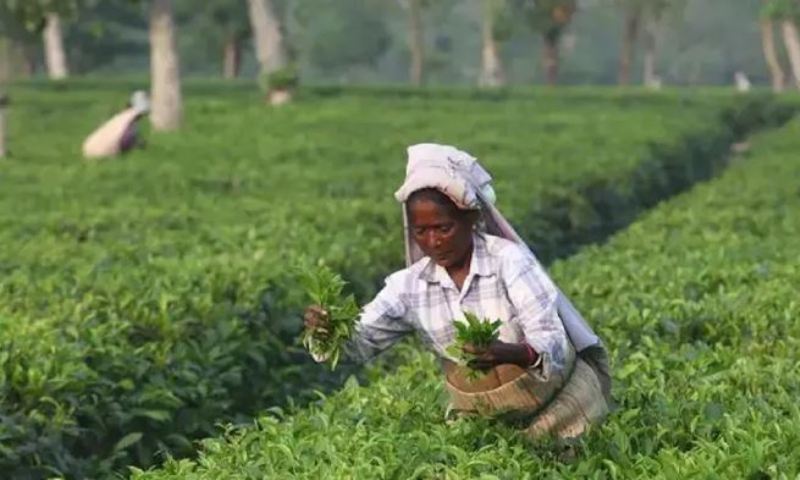
India exported 2.6 lakh tonnes of tea in the last financial year, generating export revenue of Rs 6,843.13 crore. This is an increase from the previous year, when 2.41 lakh tonnes were exported, incurring Rs 6,582.14 crores. However, despite this growth, traders predict that tea exports may not increase further this year. This year, low production has impacted the market.
India produces several types of tea, including CTC (Crush, Tear, Curl), orthodox and green tea. Among these, orthodox tea is particularly popular in international markets. Although there has been interest from various countries, traders are finding it challenging to meet export demands.
The main tea-producing states in India are Assam, Bengal, Tamil Nadu and Kerala. With the festive season approaching, domestic demand for tea is expected to rise. However, tea production in North India has been low this year. This has led to prices in Kerala increasing by about Rs 15 per kg.
The UAE remains the major market for Indian tea, purchasing tea worth Rs 1,088.08 crore last year, which amounted to 40,701 tonnes. Other major markets include Iran (Rs 733.12 crore), the US (Rs 642.99 crore) and Russia (Rs 639.09 crore). However, exports to some countries, including the UAE, have decreased compared to the previous year.
Increased demand from various countries has not led to a crucial rise in exports, primarily due to challenges such as climate change, which has reduced production due to extreme heat and geopolitical issues like the Red Sea crisis impacting exports.