
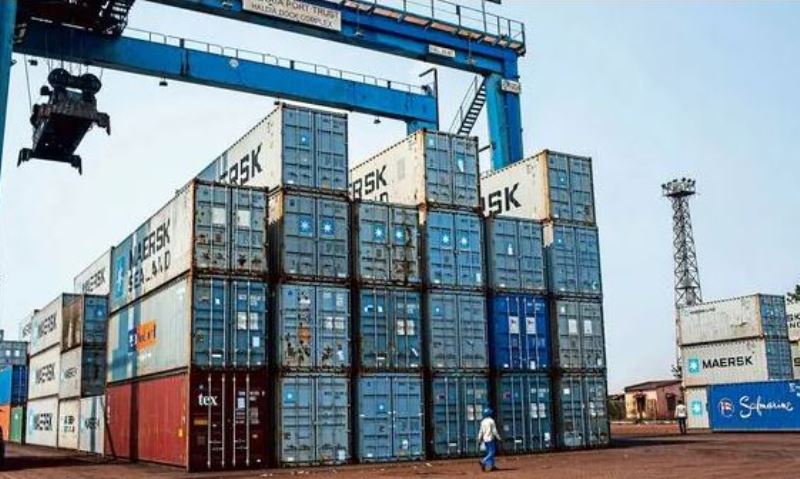
The ceasefire between Iran and Israel has offered major relief to India, which has over USD 100 billion worth of trade with the Middle East countries and is heavily dependent on energy imports from the Gulf region, experts said.
They said that reduced geopolitical tension lowers the risk premium, stabilises freight costs, and enhances predictability in shipping routes for Indian goods via the Strait of Hormuz, a narrow but key passage between Iran and Oman.
Economic think tank Global Trade Research Initiative (GTRI) said that for India, with over USD 100 billion in the Middle East trade and heavy reliance on Gulf energy imports, the de-escalation offers relief.
“A sustained ceasefire would stabilise energy prices and safeguard vital shipping routes. But any flare-up would again threaten India’s trade flows, energy security, and diaspora interests,” GTRI Founder Ajay Srivastava said.
He added that oil prices fell more than 3 per cent, and volatility in the strait, through which a fifth of global oil passes, briefly eased.
However, he said, this ceasefire may prove temporary, as the underlying issues between the US, Israel, and Iran remain unresolved.
Federation of Indian Export Organisations (FIEO) Director General Ajay Sahai said the ceasefire brings welcome relief to global trade and supply chains, particularly across the Middle East, a key conduit for energy and cargo movement.
“This development is particularly beneficial for Indian exporters of engineering goods, food products, textiles, and chemicals to West Asia, and for importers reliant on crude oil and petrochemicals,” Sahai said.
However, sustained peace and diplomatic follow-through remain essential to realise long-term gains for trade and investment flows, he added.