
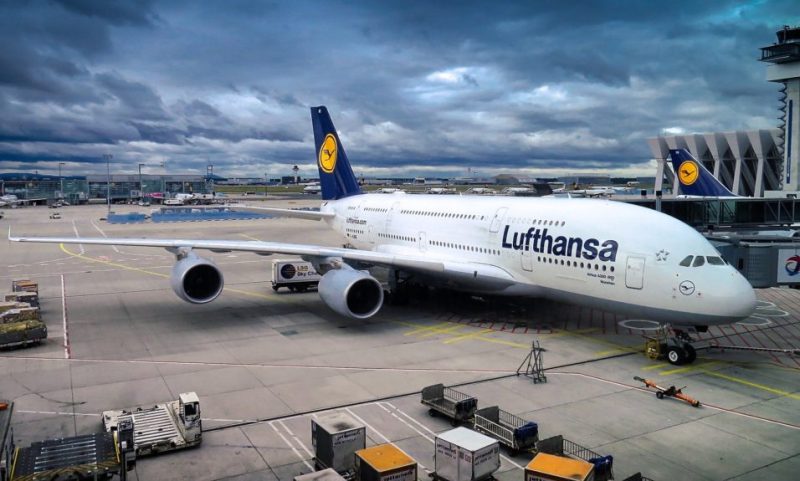
Lufthansa Cargo has expanded its regional air freight network with the launch of new freighter routes to Rome and Algiers, operated using A321P2F aircraft. The additions are aimed at boosting short- and medium-haul capacity and improving connectivity between key European and North African markets.
The A321 passenger-to-freighter (P2F) aircraft offer flexible capacity and are well suited for regional routes, allowing Lufthansa Cargo to serve a wider range of cargo, including e-commerce shipments, automotive parts, pharmaceuticals, and general cargo. The new services are expected to provide customers with improved transit times and more frequent flight options.
Rome and Algiers were added in response to growing demand for reliable regional air cargo links, particularly for time-sensitive and high-value goods. Lufthansa Cargo said the routes will also strengthen feeder connections into its global long-haul network, supporting smoother onward distribution across Europe and beyond.
Industry observers note that the expansion reflects airlines’ increasing focus on narrowbody freighters to address regional capacity gaps and improve network flexibility. By deploying A321P2F aircraft on new routes, Lufthansa Cargo aims to enhance service reliability while adapting to evolving cargo demand patterns.