
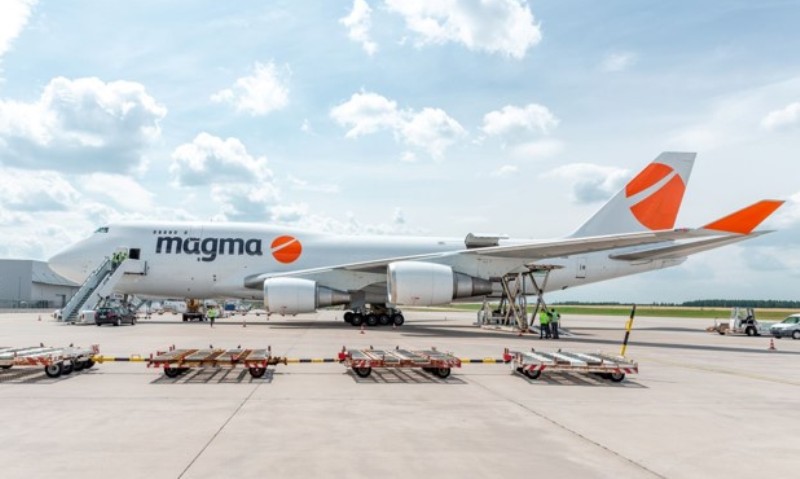
Magma Aviation has partnered with Air Atlanta in a move aimed at reducing fuel consumption and lowering emissions, as air cargo operators intensify efforts to improve sustainability and operating efficiency.
The collaboration is expected to focus on deploying more fuel-efficient aircraft operations, optimised flight planning, and smarter network utilisation across charter and scheduled cargo services. Measures may include improved route design, better load planning, reduced ferry flights, and operational practices that cut unnecessary fuel burn.
With fuel representing one of the largest cost components in air freight, efficiency gains can deliver both environmental and commercial benefits. Lower fuel use not only reduces carbon emissions but can also improve profitability and pricing competitiveness in a market facing margin pressure.
Industry analysts note that partnerships between cargo airlines and aircraft operators are increasingly being shaped by sustainability goals, alongside traditional priorities such as capacity access and reliability. Customers are also demanding greener freight options as they work to reduce Scope 3 supply chain emissions.
Magma Aviation, known for global cargo charter solutions, and Air Atlanta, a specialist ACMI and cargo aircraft operator, are well positioned to combine operational expertise in pursuit of lower-emission logistics services.
The initiative reflects a broader aviation trend toward incremental decarbonisation through fleet modernisation, operational efficiency, sustainable aviation fuel adoption, and collaborative partnerships. While long-term zero-emission aircraft remain years away, immediate fuel-saving measures are becoming a key pathway for the cargo sector today.