
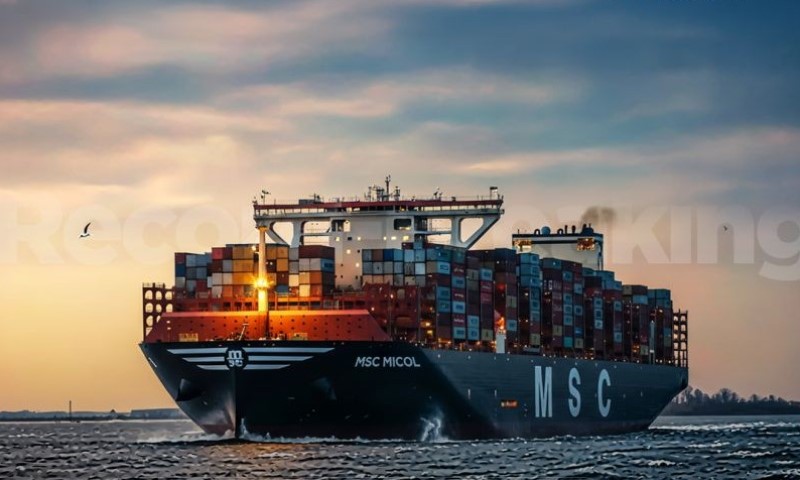
Mediterranean Shipping Company (MSC), the world’s largest ocean container carrier, has announced a major operational shift by diverting cargo originally destined for Gulf ports to safer seaports, as escalating tensions in the Middle East raise security risks for maritime trade.
In a customer advisory issued this week, MSC declared an “End of Voyage” for all shipments under its custody that were bound for Arabian Gulf destinations. This includes loaded and empty containers destined for ports in the UAE, Saudi Arabia, Qatar, Kuwait and other Gulf states. Ships will now unload at the nearest safe seaport of discharge rather than proceed to scheduled Gulf calls.
The decision reflects concerns over heightened hostilities in the region, particularly following recent military strikes and retaliatory actions that have disrupted normal navigation routes and raised risks to crew safety and vessel operations. Analysts note that the Strait of Hormuz — one of the world’s most critical maritime chokepoints — has seen significant reductions in traffic and safety warnings as geopolitical tensions intensify.
To compensate for the additional operational costs caused by these diversions, MSC said it will impose a mandatory surcharge of USD 800 per container on all affected shipments, with the expense to be borne by cargo owners. Shippers wishing to forward diverted cargo to alternative destinations must arrange new bookings through MSC’s global agency network.
The carrier’s move highlights increasing caution among global shipping lines. Industry data shows that many carriers have adjusted sailings, suspended Gulf transits, or sought shelter at nearby ports as logistics networks respond to security uncertainties. Disruptions through the Gulf region have already led to dozens of container ships sheltered and broader supply chain delays.
The shift comes amid wider concerns over maritime safety, with reports of vessel incidents near UAE and Oman waters and insurers mostly withdrawing war-risk coverage for Gulf transits. Such dynamics are prompting carriers and freight forwarders to rethink routing, insurance and pricing strategies as regional tensions persist.
Trade analysts say the adjustments by MSC and others underscore how geopolitical instability can ripple through global commerce — affecting not just energy flows but also container traffic, supply chains and freight costs across Asia, Europe and beyond.