
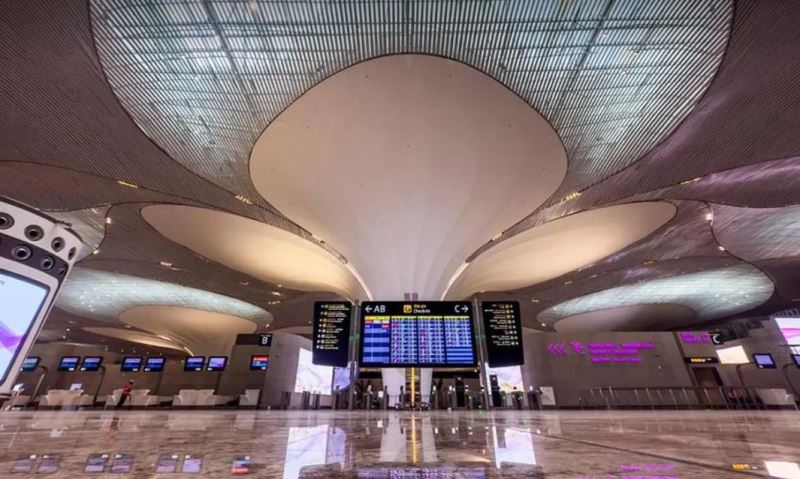
The expansion of the pharmaceutical import network at Navi Mumbai International Airport is set to strengthen India’s healthcare supply chain by enhancing the country’s capability to handle temperature-sensitive pharmaceutical cargo with greater efficiency and reliability.
The development comes at a time when demand for high-value medicines, biologics, vaccines and specialty pharmaceuticals continues to rise, placing increased emphasis on world-class air cargo infrastructure, advanced cold chain facilities and faster customs clearance processes.
With dedicated pharmaceutical handling capabilities, the airport is expected to improve the movement of imported life sciences products while maintaining strict temperature control and regulatory compliance throughout the logistics chain. The enhanced infrastructure will help preserve product integrity, reduce transit times and ensure timely deliveries to healthcare providers and manufacturers across the country.
Industry stakeholders believe strategically located air cargo gateways equipped with specialised pharma facilities will play a vital role in supporting India’s growing pharmaceutical manufacturing and research ecosystem, while reinforcing the country’s position as a global hub for healthcare and life sciences trade.
The investment in specialised air cargo infrastructure is also expected to contribute to building a more resilient and efficient logistics network capable of meeting the stringent quality standards and compliance requirements of the pharmaceutical industry.
As pharmaceutical supply chains become increasingly dependent on speed, precision and uncompromising temperature control, the expansion of Navi Mumbai International Airport’s pharma import network represents another significant step in strengthening India’s aviation logistics infrastructure for the future.