
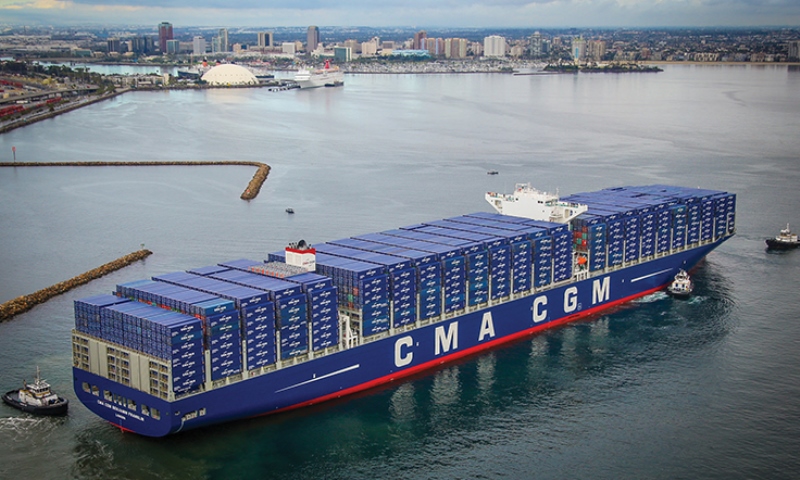
Shipping lines are increasingly deploying larger vessels on intra-Europe trade routes as ongoing network restructuring reshapes capacity allocation across global container markets.
The shift is being driven by fleet cascading, a process in which larger ships displaced from long-haul routes are reassigned to regional services following changes in network design and vessel deployment strategies. As carriers introduce newer and bigger vessels on major east-west trades, existing tonnage is being redirected to shorter-haul European routes.
Industry analysts say the trend is expanding carrying capacity across intra-Europe services and altering competitive dynamics among carriers operating in the region. Larger vessels can offer economies of scale, helping shipping lines lower per-unit transport costs and improve operational efficiency.
However, the deployment of bigger ships also presents challenges for some ports and terminals, particularly those with infrastructure limitations or draft restrictions. Port operators may need to adapt facilities and handling capabilities to accommodate larger vessel calls and increased cargo volumes.
Market participants note that while additional capacity could ease pressure on certain trade lanes, its impact on freight rates will depend on cargo demand, schedule reliability, and broader economic conditions across Europe.
The restructuring reflects a wider transformation within the container shipping industry, where carriers continue to optimize networks, improve asset utilization, and respond to evolving trade patterns. Industry observers expect fleet cascading to remain a key feature of the market as new vessel deliveries enter service and global networks continue to adjust.